Keats Selected Poems - Everyman's Library POCKET POETS
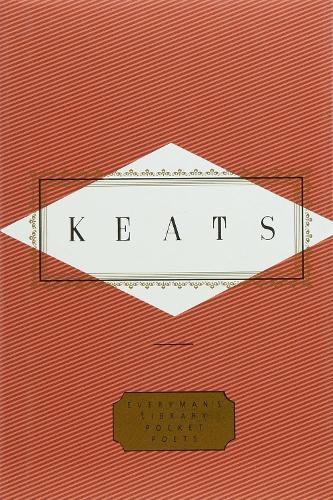
Keats Selected Poems - Everyman's Library POCKET POETS
hardback
Published:
7 April, 1994

Popular Books by John Keats
View All Books by John Keats



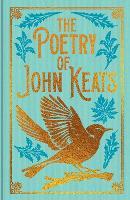

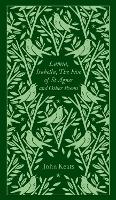
Description
More Details
| Type | Book |
|---|---|
| ISBN13 | 9781857157062 |
| ISBN10 | 1857157060 |
| Number Of Pages | 256 |
| Item Weight | 230 g |
| Product Dimensions | 111 x 165 x 18 mm |
| Publisher / Reseller | Everyman |
| Format | hardback |
GoodReads Reviews
Author's Bio
John Keats was born in London in 1795. He trained as a surgeon and apothecary but quickly abandoned this profession for poetry.
His first volume of poetry was published in 1817, soon after he had begun an influential friendship with the Romantic poet Percy Bysshe Shelley. His first collection and the subsequent long poem Endymion recieved mixed reviews, and sales were poor.
In late 1818 he moved to Hampstead where he met and fell deeply in love with his neighbour Fanny Brawne. During the following year Keats wrote some of his most famous works, including 'The Eve of St. Agnes', 'Ode to a Nightingale' and 'La Belle Dame sans Merci'.
He was however increasingly plagued by ill-health and financial troubles, which led him to break off his engagement to Fanny. Soon after the publication of Lamia, Isabella, The Eve of St Agnes and Other Poems in 1820, Keats left England for Italy in the hope that the climate would improve his health. But Keats was by this time suffering from advanced tuberculosis, and he died on February 23rd 1821.
On his request, Keats' tombstone reads only 'Here lies one whose name was writ in water'.