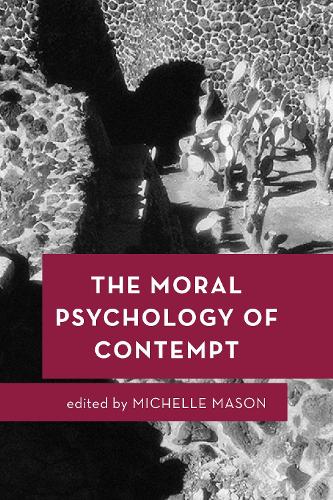
The Moral Psychology of Contempt - Moral Psychology of the Emotions
The Moral Psychology of Contempt - Moral Psychology of the Emotions
paperback
Published:
4 June, 2019

Popular Books by Michelle Mason
View All Books by Michelle Mason



Description
More Details
| Type | Book |
|---|---|
| ISBN13 | 9781786604163 |
| ISBN10 | 1786604167 |
| Number Of Pages | 264 |
| Item Weight | 381 g |
| Product Dimensions | 151 x 220 x 20 mm |
| Publisher / Reseller | Bloomsbury Publishing PLC |
| Format | paperback |
Media Reviews
Philosophy, psychology, science, history, and literature join forces in this carefully balanced edition. As a multi-faceted overview of a broad range of aspects, from ancient issues (is contempt morally justified?) to current affairs (the white supremacist movement), it will appeal to lay readers. But experts’ curiosity will also be satisfied by in-depth analyses and contributions to current research. -- Nora Heinzelmann, Co-convener of the Moral Psychology Research Group at the University of Cambridge
In a global and interconnected world where diverse groups—cultural, religious, racial, national—come into increasingly frequent contact, there are opportunities for innovation. But there is also the reality of clashes, conflicts, and contempt. The Moral Psychology of Contempt brings together eminent philosophers and psychologists who delve into this complicated and underexamined side of the human psyche. This book is timely and exceptionally inquisitive. -- Lene Arnett Jensen, Senior Research Scientist at Clark University and Author of Moral Development in a Global World and The Oxford Handbook of Moral Development
The Moral Psychology of Contempt does a great job of bringing scholars with different approaches and skill sets together, and the contributions add up to a fascinating exploration of a single, important but easily misunderstood facet of our minds. This kind of multidisciplinary, well-focused attention on the individual components of human moral nature is exactly what is needed right now. -- Daniel Kelly, Associate Professor in the Department of Philosophy at Purdue University
Deeply informative, The Moral Psychology of Contempt moves us through time, across disciplinary boundaries and epistemological divides, to offer a richly nuanced account of this emotion that sits at the core of human morality. -- Gabriela Pavarini, Postdoctoral Researcher within the Neuroscience Ethics and Society Team at the University of Oxford
Author's Bio
Michelle Mason is Associate Professor of Philosophy at the University of Minnesota. Her main research interests and publications are in moral psychology, including the nature and moral significance of person-focused evaluative attitudes (contempt, shame, pride, and love) and the connections between aretaic and rational appraisal of persons as agents.