The Ships That Came to Manchester :From the Mersey and Weaver Sailing Flat to the Mighty Container Ship
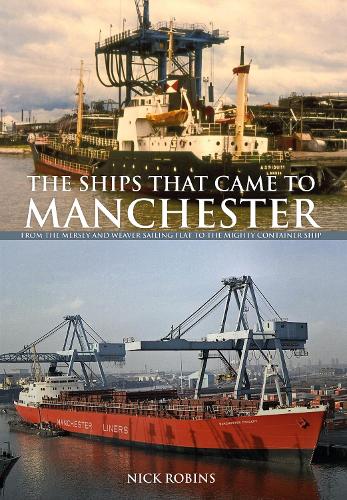
The Ships That Came to Manchester :From the Mersey and Weaver Sailing Flat to the Mighty Container Ship
paperback
Published:
15 August, 2015
paperback
Published:
15 August, 2015

Standard worldwide delivery by
Tue, July 28 - Fri, July 31
Order within
0
Condition:
NEW
$22.94
RRP
$29.12
You save $6.18 (21%)
Available
20+
in stock
FREE Returns within 30 days
Popular Books by Nick Robins
View All Books by Nick Robins


Description
The merchants of Manchester were concerned about the high tariffs charged at Liverpool Docks and the excessive rates for transhipment of goods to Manchester. They decided that the best thing for their trade was to bring seagoing ships up to Manchester. And this they did – via numerous enabling Bills and by grand-scale Victorian engineering. The Port of Manchester and its ship canal opened for business on 1 January 1894 with existing clients such as James Knott’s Prince Line running to the Mediterranean, and Fisher Renwick to London. But it could not readily entice the Liverpool shipowners to use Manchester, and it faced a long struggle to break the indifference of Conference Lines to the new port. The First World War finally allayed any lingering worries over the inadequacies of Manchester and the Liverpool companies then arrived in abundance. Manchester had its own shipping companies, including Manchester Liners, H. Watson & Company, Sivewright Bacon, Manchester Steamship Company, Manchester Spanish Line and others. Business peaked at Manchester in the 1950s but rapidly declined through the 1970s as ships became too big to transit the canal. Between 1894 and 1982 ships of all kinds docked at Manchester from all over the world; this is the story of the ships that came to Manchester.
More Details
| Type | Book |
|---|---|
| ISBN13 | 9781445651941 |
| ISBN10 | 1445651947 |
| Number Of Pages | 192 |
| Item Weight | 458 g |
| Publisher / Reseller | Amberley Publishing |
| Format | paperback |
See More +
Author's Bio
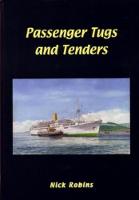
Nick Robins is acknowledged for setting maritime history within the bigger social and political picture. His books describe the evolution of a variety of shipping themes, ranging from tugs and tenders to excursion steamers and even cruise ships, and he has recently published Scotland and the Sea, the Scottish Dimension in Maritime History.