
2.37Kg of CO2

296 litre(s) of Water

0.0178 Tree(s)

1 book donated to global literacy projects
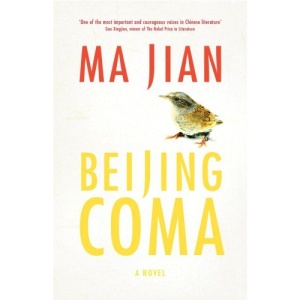
Beijing Coma
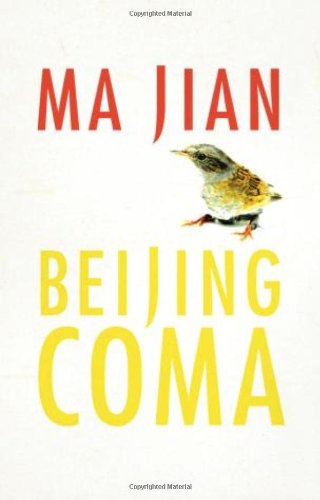
Beijing Coma
hardback
Published:
1 May, 2008


Popular Books by Ma Jian
View All Books by Ma Jian

Description
Prizes
Shortlisted for Independent Foreign Fiction Prize 2009.
More Details
| Type | Book |
|---|---|
| ISBN13 | 9780701178079 |
| ISBN10 | 0701178078 |
| Number Of Pages | 592 |
| Item Weight | 845 g |
| Product Dimensions | 37 x 240 x 162 mm |
| Publisher / Reseller | Chatto and Windus |
| Format | hardback |
Media Reviews
Once in a while - perhaps every 10 years, or even every generation - a novel appears that profoundly questions the way we look at the world, and at ourselves. Beijing Coma is a poetic examination not just of a country at a defining moment in its history, but of the universal right to remember and to hope. It is, in every sense, a landmark work of fiction -- Tash Aw, Daily Telegraph Epic in scope but intimate in feeling ... magnificent -- Tom Deveson, The Times Simultaneously a large-scale portrait of citizens writing in the grip of the party and the state and a strikingly intimate study of the fragility of the body and the persistence of self and memory -- Chandrahas Choudhury, Observer [Beijing Coma] merits the term 'masterpiece'. . . . [T]he narrative strategy succeeds at creating suspense page after page and lends a poignant, inexorable flavour to the events after the massacre. -- The Vancouver Sun A work of fiction so realistic that it can be read as a tragic memoir of a time of hope, turmoil and atrocity. . . . An immaculate lesson in history, it is a vivid reminder that all things change and all is swept away. -- The Owen Sound Sun Times Already notorious for writing novels banned in his homeland due to their criticism of China's policies on human rights and Tibet, the now London-based Ma Jian here launches his most sustained and intricate indictment of his former country. . . . As novelist, he painstakingly recreates the cycle of idealism, arrogance, confusion and despair that characterized the experience of demonstrators on the ground in [Tiananmen] square. -- Toronto Star [Beijing Coma] will make wavesacross the world. . . . Ma combines a gift for densely detailed, panoramic fiction with a resonant prophetic voice. . . . Beijing Coma may have huge documentary value, but it grips and moves as epic fiction above all . . . Beijing Coma has the visceral physicality that stamps all of Ma Jian's work. He is a poet of the body in all its ecstasies, embarrassments and agonies. -- The Independant A huge achievement . . . a landmark account through fiction of a country whose rise has amazed the world, but which remains cloaked in shadows. . . . finely written and translated. -- The Times This is an epic yet intimate work that deserves to be recognised and to endure as the great Tiananmen novel. -- Financial Times This timely yet dazzling piece of fiction will be seen simply for what it is: a modern literary masterpiece. -- Sunday Express This vivid, pungent, often blackly funny book is a mighty gesture of remembrance against the encroaching forces of silence. -- Guardian Astonishingly brave... the most important Chinese book since Wild Swans. -- London Lite [A] bleak, wrenching generational saga . . . Ma Jian achieves startling effects through Dai Wei's dispassionate narration, making one man's felled body a symbol of lost possibility. -- Publishers Weekly One of the most important and courageous voices in Chinese literature. -- Gao Xingjian, winner of the Nobel Prize in Literature Ma Jian is arguably his country's essential writer. -- The Globe and Mail
Author's Bio
Ma Jian was born in Qingdao, China in 1953. He worked as a watch-mender and a painter of propaganda boards and was assigned a job as a photojournalist for a state-run magazine. At the age of thirty, Ma Jian left work and travelled for three years across China, a journey he later described in his book Red Dust, winner of the Thomas Cook Travel Book Award 2002. He left Beijing for Hong Kong in 1987 but continued to travel to China, notably to support the pro-democracy activists in Tiananmen Square in 1989. After the hand-over of Hong Kong he moved to Germany and then London, where he now lives.