Lives of the Caesars - Oxford World's Classics
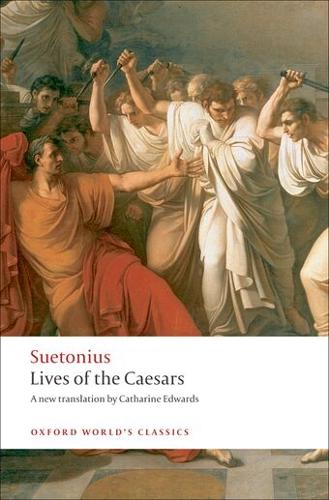
Lives of the Caesars - Oxford World's Classics
paperback
Published:
9 October, 2008
paperback
Published:
9 October, 2008

Standard worldwide delivery by
Wed, July 15 - Mon, July 20
Order within
0
Popular Books by Suetonius
View All Books by Suetonius
Description
The Lives of the Caesars include the biographies of Julius Caesar and the eleven subsequent emperors: Augustus, Tiberius, Gaius Caligula, Claudius, Nero, Galba, Otho, Vitelius, Vespasian, Titus, Domitian. Suetonius composed his material from a variety of sources, without much concern for their reliability. His biographies consist the ancestry and career of each emperor in turn; however, his interest is not so much analytical or historical, but anecdotal and salacious which gives rise to a lively and provocative succession of portraits. The account of Julius Caesar does not simply mention his crossing of the Rubicon and his assassination, but draws attention to his dark piercing eyes and attempts to conceal his baldness. The Live of Caligula presents a vivid picture of the emperor's grotesque appearance, his waywardness, and his insane cruelties. The format and style of Suetonius' Lives of the Caesars was to set the tone for biography throughout western literature - his work remains thoroughly readable and full of interest. ABOUT THE SERIES: For over 100 years Oxford World's Classics has made available the widest range of literature from around the globe. Each affordable volume reflects Oxford's commitment to scholarship, providing the most accurate text plus a wealth of other valuable features, including expert introductions by leading authorities, helpful notes to clarify the text, up-to-date bibliographies for further study, and much more.
More Details
| Type | Book |
|---|---|
| ISBN13 | 9780199537563 |
| ISBN10 | 0199537569 |
| Number Of Pages | 448 |
| Item Weight | 310 g |
| Product Dimensions | 130 x 197 x 20 mm |
| Publisher / Reseller | Oxford University Press |
| Format | paperback |
See More +
GoodReads Reviews
Author's Bio
Translated with introduction and notes by Catharine Edwards, Department of Classics, University of Bristol.