The Whittle Collection :Key Papers by Prehistorian Alasdair Whittle on European Neolithic Archaeology
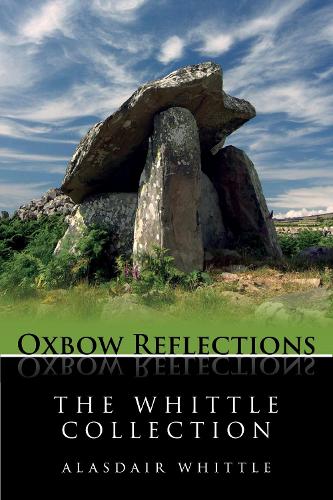
The Whittle Collection :Key Papers by Prehistorian Alasdair Whittle on European Neolithic Archaeology
paperback
Published:
16 January, 2026
paperback
Published:
16 January, 2026

Standard worldwide delivery by
Wed, July 8 - Mon, July 13
Order within
0
Popular Books by Alasdair Whittle
View All Books by Alasdair Whittle
Description
Alasdair Whittle is one of the most influential British prehistorians of the late 20th to early 21st century. This volume in our new Reflections series re-presents some of his most important papers published in Oxbow titles and celebrates his contribution to our understanding of Neolithic lifeways and the development of Neolithic society in Britain and Europe. The collection illustrates his pioneering work in the interpretation of both monumental and settlement sites, and the spread and nature of early farming in central and western Europe, including investigation of LBK longhouse life. Alasdair has also been at the forefront of the application of Bayesian statistics in radiocarbon dating, helping to revolutionise chronologies at a variety of geographical and temporal scales. This volume seeks to reflect some of the best of his innovative thinking and influence as seen through his publications with Oxbow.
More Details
| Type | Book |
|---|---|
| ISBN13 | 9798888572429 |
| ISBN10 | 8888572422 |
| Number Of Pages | 288 |
| Item Weight | 1000 g |
| Publisher / Reseller | Casemate Publishers |
| Format | paperback |
See More +
Author's Bio
Alasdair Whittle is Emeritus Professor in archaeology at Cardiff University, where he taught in the Department of Archaeology and Conservation for many years. He specialises in the Neolithic of Britain and Europe, has researched across a wide range of themes and has excavated in Britain, Hungary and Germany. He has published extensively. In recent years, working closely with Alex Bayliss and others, he has been concerned with the construction of robust and precise chronologies, through the application of formal chronological modelling of radiocarbon dates, numerous case studies across various regions and phases of Neolithic Europe have been interrogated for their historical implications.