Analyzing Collapse :The Rise and Fall of the Old Kingdom
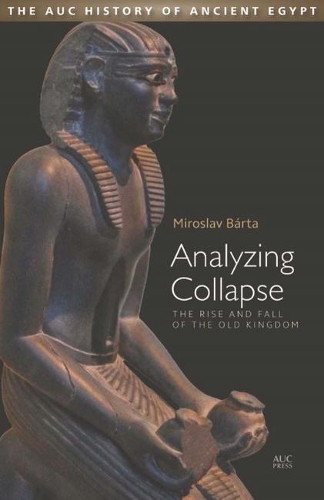
Analyzing Collapse :The Rise and Fall of the Old Kingdom
hardback
Published:
10 April, 2018
hardback
Published:
10 April, 2018

Standard worldwide delivery by
Tue, August 4 - Fri, August 7
Order within
0
Condition:
NEW
$59.12
RRP
$67.01
You save $7.90 (12%)
Available
20+
in stock
FREE Returns within 30 days
Popular Books by Miroslav Barta
View All Books by Miroslav Barta
Description
This book explores the long-term trends in the development of what was the first complex civilization in history, the Old Kingdom of Egypt (c. 2650–2200 BC), the period that saw the construction of eternal monuments such as Djoser’s Step Pyramid complex in Saqqara, the pyramids of the great Fourth Dynasty kings in Giza, and spectacular tombs of high officials throughout Egypt. The present study aims to show that the historical trajectory of the period was marked by specific processes that characterize most of the world’s civilizations: the role of the ruling elite, the growth of bureaucracy, the proliferation of interest groups, and adaptation to climate change, to name but a few—and the way that these processes held the germ of ultimate collapse. The case is made that the rise and fall of the Old Kingdom state is of relevance to the study of the anatomy of development of any complex civilization.
More Details
| Type | Book |
|---|---|
| ISBN13 | 9789774168383 |
| ISBN10 | 9774168380 |
| Number Of Pages | 288 |
| Item Weight | 1000 g |
| Publisher / Reseller | The American University in Cairo Press |
| Format | hardback |
See More +
Media Reviews
"A highly readable volume full of notes and references to satisfy the academics but equally appealing to anyone with an interest in Egypt’s great founding civilization."—Ancient Egypt Magazine
"Recommended"—CHOICE
GoodReads Reviews
Author's Bio
Miroslav Bárta specializes in the archaeology of third millennium BC Egypt and is also interested in the comparative study of civilizations. He leads multidisciplinary projects in Abusir and Usli (Sudan) and has pioneered satellite imaging on the pyramid fields. His research includes tomb development, the nature of change in history, and human adaptations to changing environments.