Nature Book Series: The Badger Book
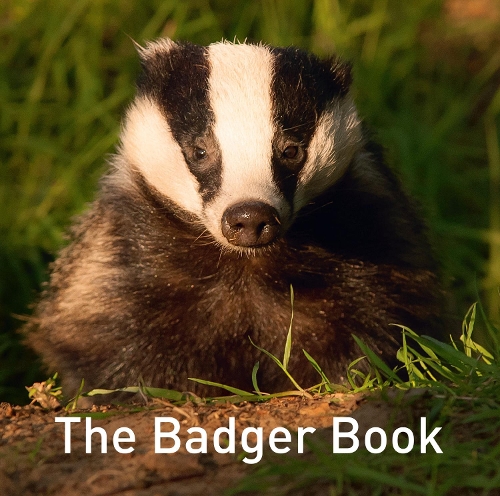
Nature Book Series: The Badger Book
hardback
Published:
29 March, 2021

Popular Books by Jo Byrne
View All Books by Jo Byrne
Description
More Details
| Type | Book |
|---|---|
| ISBN13 | 9781913634209 |
| ISBN10 | 1913634205 |
| Number Of Pages | 160 |
| Item Weight | 1000 g |
| Product Dimensions | 150 x 150 x 15 mm |
| Publisher / Reseller | Graffeg Limited |
| Format | hardback |
Media Reviews
This is the eighth in Graffeg’s series of books devoted to individual animals, birds and insects, including the hare, the red squirrel, the robin, and the bee – the latter also written by Jo Byrne. The books are very handsomely produced in a chunky 15.5cms square format, with lavish full-page photographs which accompany an essay on the animal in question. Jo Byrne begins with the physiology of the badger, which is a member of the mustelid family that includes weasels, ferrets and otters. Individuals, we are told, weigh up to 20 kilos, and their earliest known fossils go back two million years. Their eyes and ears are small, although they can see and hear well enough, but their sense of smell is some 800 times better than ours, so if you want a chance of sighting badgers you had better keep down wind of them. They live, as everybody knows, in sets, which have separate chambers devoted to nesting and sleeping, as well as latrines, though mostly they are careful to defecate outside the set. They eat almost anything. Worms are a favourite, but fruit, frogs, beetles, and hedgehogs are all acceptable. They don’t hibernate exactly, but remain in the set for long periods in winter, lowering their metabolism and using up body fat. They are territorial, and fight to defend their patch. The reader learns this and much more in a well-written text which imparts a great deal of information in an accessible way. It is not the whole story, unfortunately. Badger populations throughout Britain remain strong, but one wonders for how long. The biggest threat to their survival is the motor vehicle – about 50,000 are killed each year on the roads, and that amounts to something like 20 percent of the total population. (The only badger I have ever seen was a dead one by the side of the road through our village, evidently knocked down by a car.) Then there are the controversial culls – over 120,000 killed since 2015 – which together with illegal killings, the cruel ‘sport’ of badger-baiting, and habitat loss, exert great pressure on badger populations. Jo Byrne discusses the cull in some detail. It is still very much contested as to whether badgers pass on TB to cows, as dairy farmers claim, and many thousands of these animals may have been killed for nothing. Cow-to-cow transmission is equally likely to be the cause, if not more so. She discusses opposition to the cull, especially the Wounded Badger Patrol in Cheshire, whose members patrol the countryside at night, their presence deterring licensed ‘free shooters’, and helping to save badgers that have been shot and wounded. Two final sections discuss the badger in folklore, art, and literature. The Badger Book is an excellent addition to Graffeg’s series. It is the place to go if you want to learn more about these fascinating animals. -- John Barnie @ www.gwales.com
GoodReads Reviews
Author's Bio
Jo Byrne is a passionate animal welfare and animal rights champion living in a relatively rural town in Bedfordshire. Bonkers about all wildlife as well as being the very epitome of a 'crazy cat-lady', home usually consists of two permanent-resident cats, one or two foster cats, and a slew of regular wildlife visitors. The Bee Book, her first title for Graffeg, published in May 2019.