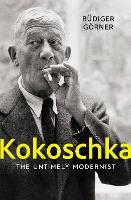
Kokoschka :The Untimely Modernist
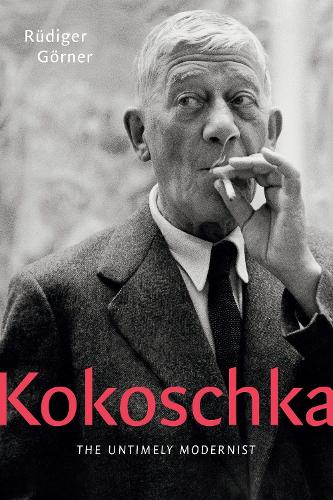
Kokoschka :The Untimely Modernist
hardback
Published:
23 November, 2020

Popular Books by Rüdiger Görner
View All Books by Rüdiger Görner
Description
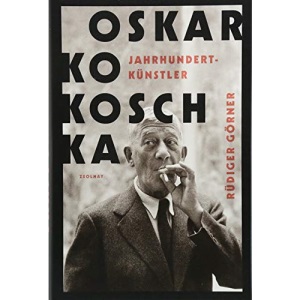
Oskar Kokoschka (1886-1980) was an artist of his time, but he also stood out among his peers - not just because of his towering physical height but for his artistic range. Using both brush and pen to work against the tide, he wrote plays and stories as well as essays on art and politics, playing a major role in the development of twentieth-century European art.
A rebel of the art world, he was used to controversy, and Rüdiger Görner's accomplished biography traces the dark, unsettling aspects of Kokoschka's life alongside his more celebrated achievements: from the eerie doll he had made in the image of a former lover to the unconventional art school he founded in the aftermath of the Second Word War.
Taking us from his birthplace of Pöchlarn across Europe and to the United Kingdom, where he became a naturalised British citizen in 1947, this first English-language biography does more than show Kokoschka as a maverick artist; it is the definitive interpretation of an extraordinary life.
More Details
| Type | Book |
|---|---|
| ISBN13 | 9781912208814 |
| ISBN10 | 1912208814 |
| Number Of Pages | 352 |
| Item Weight | 616 g |
| Product Dimensions | 160 x 242 x 32 mm |
| Publisher / Reseller | Haus Publishing |
| Format | hardback |
Media Reviews
‘[A] rich literary study of a major cultural figure’
‘Rüdiger Görner is a thorough expert in all things Kokoschka, and his work is entertaining as it is knowledgeable.’
‘Kokoschka was a leading figure in the Central European expressionist movement. . . . Gӧrner presents a serviceable narrative that captures the ‘inner tension, excitement and drama’ of Kokoschka’s career.’
-- ChoiceAuthor's Bio
Rüdiger Görner was professor of German with comparative literature at Queen Mary University of London. The founder of the Ingeborg Bachmann Centre for Austrian Literature and the founding director of the Centre for Anglo-German Cultural Relations, his books include biographies of Rainer Maria Rilke, Georg Trakl and Stefan Zweig.