Here are Lovers
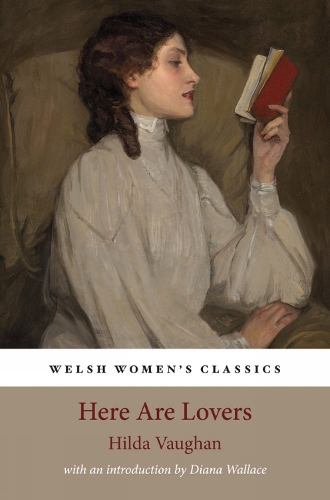
Here are Lovers
paperback
Published:
20 September, 2012

Popular Books by Hilda Vaughan
View All Books by Hilda Vaughan
Description
More Details
| Type | Book |
|---|---|
| ISBN13 | 9781906784447 |
| ISBN10 | 1906784442 |
| Number Of Pages | 308 |
| Item Weight | 317 g |
| Publisher / Reseller | Honno Ltd |
| Format | paperback |
Media Reviews
Here Are Lovers is a novel that would be worth reading simply for its gloriously gothic dnouement, but it has so much else to offer besides: a star-crossed hero, a feisty and rebellious heroine, illicit romance that transgresses strict class divides, a background of social change and political upheaval. As Diana Wallaces fine introduction makes so abundantly clear, Hilda Vaughans 1926 novel is more than just a good read; it is full of social observations and commentary that will fascinate the pleasure reader as much as the academic, and the literary influences appear to range from the Bronts to Mary Webb (whose Precious Bane was published just two years earlier). I shall confess straight away that I struggled to begin with. The narrative pace is initially slow, and the portrayals of the tenant-farming community kept reminding me of Stella Gibbonss Starkadders of Cold Comfort Farm, with the women plucking nervously at their aprons and old John Griffith dribbling flummery down his grey beard, with his guts going all wambly at the thought of going to see the squire. For those more accustomed to a contemporary prose style, I would say stick with it; its worth the effort of working through the early discomfort with the unfamiliar. Lovers of period novels will have no such problems and will simply be delighted to have another reborn classic to add to their shelves. As a child, Gronwy Griffith is sent from rural Wales to be adopted by his well-heeled uncle in Cambridge. The plan is that Gronwy will receive a good education and go into the church, thus being able to ease the lot and raise the social standing of his impoverished tenant-farming family. Everything goes awry when the loving uncle dies and his wife, never enamoured of her adoptive son, hands the young Gronwy over to a vicious gangmaster. He eventually escapes and makes his way home to his family in Wales. All might be well, except that Gronwy has developed ideas above his station. Meanwhile, up at Wingfield Park, the widowed squires motherless daughter, Laetitia, has returned from a chaperoned trip to Italy with some decidedly eccentric notions. Just as Gronwy no longer fits in with his class, so Laetitia also questions her fathers hereditary beliefs in people including women having their proper spheres. There is going to be romance. There is going to be tragedy. And, in the background, Gladstone and Disraeli are moving the country towards radical social change. One of the many things that strikes me about this classic is its disturbing topicality. The poor are powerless, disenfranchised and divided against each other; the rich, well. As the squire says, Breeding tells []. Let the labourers son continue to till the soil, and the descendant of generations of trained rulers govern the country. They will each do their own work best. Plus a change. Suzy Ceulan Hughes It is possible to use this review for promotional purposes, but the following acknowledgment should be included: A review from www.gwales.com, with the permission of the Welsh Books Council. Gellir defnyddio'r adolygiad hwn at bwrpas hybu, ond gofynnir i chi gynnwys y gydnabyddiaeth ganlynol: Adolygiad oddi ar www.gwales.com, trwy ganiatd Cyngor Llyfrau Cymru. -- Welsh Books Council