
1.09Kg of CO2

136 litre(s) of Water

0.0082 Tree(s)

1 book donated to global literacy projects
Hare Brain, Tortoise Mind :Why Intelligence Increases When You Think Less
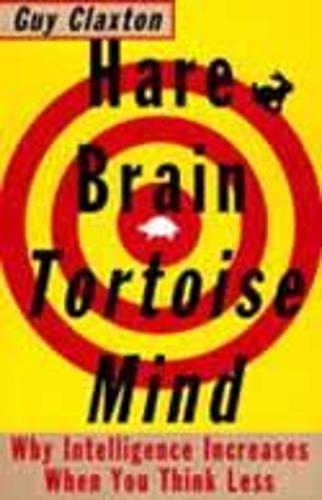
Hare Brain, Tortoise Mind :Why Intelligence Increases When You Think Less
paperback
Published:
21 May, 1998


Popular Books by Guy Claxton
View All Books by Guy Claxton
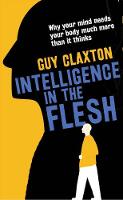


Description
‘Learning to loaf’ – this books explores the ways of knowing that require more time, the ways we have unlearned or ignore, but that are crucial to our complete mental development.
The human brain-mind will do a number of unusual, interesting and important things if given time. It will learn patterns of a degree of subtlety which normal, purposeful, busy consciousness cannot even see, let alone master. It will make sense out of hazy, ill-defined situations which leave everyday rationality flummoxed. It will get to the bottom of personal, emotional issues much more successfully than the questing intellect. It will detect and respond to meaning, in poetry for example, that cannot be articulated. It will sometimes come up with solutions to complicated predicaments that are wise rather than merely clever. There is good, hard evidence, from cognitive science and elsewhere, for all these capacities. Claxton explores the slower ways of knowing and explains how we could/should use them more often and more effectively.
More Details
| Type | Book |
|---|---|
| ISBN13 | 9781857027099 |
| ISBN10 | 1857027094 |
| Number Of Pages | 272 |
| Item Weight | 190 g |
| Product Dimensions | 129 x 198 x 17 mm |
| Publisher / Reseller | HarperCollins Publishers |
| Format | paperback |
GoodReads Reviews
Author's Bio
After a ‘double first’ in natural sciences at Cambridge, Guy Claxton was awarded a doctorate at Oxford in 1974 for his work on the structure of the mind. Since then he has taught at a variety of institutions on both sides of the Altlantic including the University of London. He is currently Visiting Professor of Psychology and Education at Bristol University.