Family policy paradoxes :Gender equality and labour market regulation in Sweden, 1930-2010
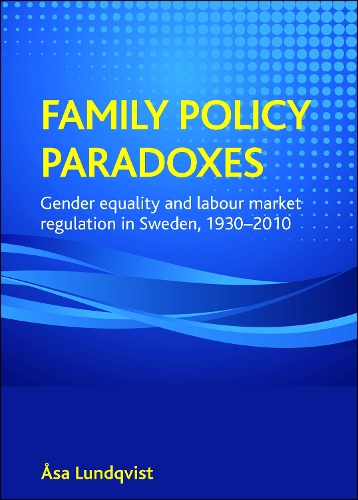
Family policy paradoxes :Gender equality and labour market regulation in Sweden, 1930-2010
hardback
Published:
26 January, 2011

Popular Books by Asa Lundqvist
View All Books by Asa Lundqvist
Description
Family policy paradoxes examines the political regulation of the family in Sweden between 1930 and today. It draws attention to the political attempts to create a 'modern family' and the aspiration to regulate the family and establish gender equality, thereby shedding light on ongoing policy processes within Europe and how these can be understood in the light of a particular political experience.
The book is valuable for researchers, lecturers, undergraduate and graduate students who study gender, gender equality and welfare state development in gender studies, sociology, social and public policy, social work, politics and social/contemporary history
More Details
| Type | Book |
|---|---|
| ISBN13 | 9781847424556 |
| ISBN10 | 1847424554 |
| Number Of Pages | 168 |
| Item Weight | 1000 g |
| Publisher / Reseller | Bristol University Press |
| Format | hardback |
Media Reviews
"This important book provides a unique insight in the 'path dependent'
evolution of Swedish family and gender equality policy from the 1930s to 2010. The critical analysis of the tensions, paradoxes and visions in the Swedish family model raises more general questions about policy learning across Europe and about family policies as potential vehicles for prosperity and sustainable growth." Professor Birte Siim, Department of Culture and Global Studies, University of Aalborg, Denmark
Author's Bio
Åsa Lundqvist is Associate Professor and Senior Lecturer in the Department of Sociology at Lund University, Sweden. Her research interests include feminist analysis of the history of the welfare state and welfare policies, especially the intersectional relation between labour market regulation and social and family policies.