Popular Books by Robert Byron
View All Books by Robert Byron
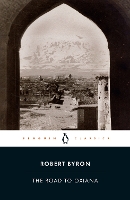
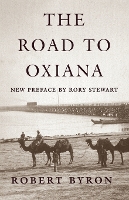
The Road to Oxiana
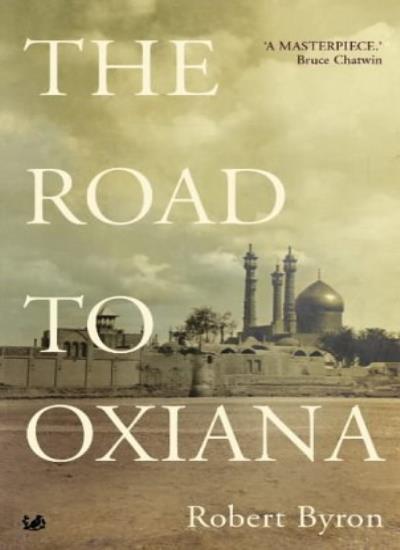
The Road to Oxiana
paperback
Published:
3 June, 2004
paperback
Published:
3 June, 2004
Description
In 1933, the delightfully eccentric Robert Byron set out on a journey through the Middle East via Beirut, Jerusalem, Baghdad and Teheran to Oxiana - the country of the Oxus, the ancient name for the river Amu Darya which forms part of the border between Afghanistan and the Soviet Union. His arrival at his destination, the legendary tower of Qabus, although a wonder in itself, is not nearly so amazing as the thoroughly captivating, at times zany, record of his adventures. In addition to its entertainment value, The Road to Oxiana also serves as a rare account of the architectural treasures of a region now inaccessible to most Western travellers. Here, 'armchair travellers will find newspaper clippings, public signs and notices, official forms, letters, diary entries , essays on current politics, lyric passages, historical and archaeological dissertations, brief travel narratives (usually of comic-awful delays and disasters), and - the triumph of the book - at least twenty superb comic dialogues, some of them virtually playlets, complete with stage directions and musical scoring.' Paul Fussell, from the Introduction to the OUP US paperback, 1982
More Details
| Type | Book |
|---|---|
| ISBN13 | 9781844134229 |
| ISBN10 | 1844134229 |
| Number Of Pages | 416 |
| Item Weight | 322 g |
| Product Dimensions | 128 x 30 x 196 mm |
| Publisher / Reseller | Pimlico |
| Format | paperback |
| Edition | New edition |
See More +
Media Reviews
A brilliantly-wrought expression of a thoroughly modern sensibility, a portrait of an accidental man adrift between frontiers. -- Jonathan Raban
GoodReads Reviews
Author's Bio
Robert Byron was born in England in 1905 into a family distantly related to Lord Byron. He attended Eton and Merton College, Oxford, and wrote several other travel books before his untimely death in 1941 when his ship to West Africa was torpedoed while serving as a correspondent for a London newspaper during World War II. Among his other books are The Station (1928), The Byzantine Achievement (1929), and First Russia, Then Tibet (1933).