Innovation and Implementation :Critical Reflections on New Approaches to Historic Mortuary Data Collection, Analysis, and Dissemination
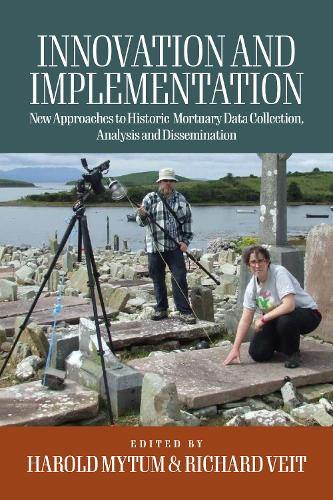
Innovation and Implementation :Critical Reflections on New Approaches to Historic Mortuary Data Collection, Analysis, and Dissemination
hardback
Published:
14 July, 2023

Popular Books by Richard Veit
View All Books by Richard Veit




Description
Providing a comprehensive set of guidance to assist researchers wishing to carry out, curate and disseminate field research at a historic burial ground, chapters offer up to date methods for surface and subsurface survey and for the recording and archiving of burial monument data. Divided into three parts considering documentary research and recording of mortuary landscapes, reflections on memorial recording projects, and archiving and wider dissemination of data and interpretations. Also included is the archaeological potential of pet cemeteries and other pet memorials. Discussions therefore include how methodologies may or may not be applicable to both human and animal subjects.
More Details
| Type | Book |
|---|---|
| ISBN13 | 9781805390459 |
| ISBN10 | 1805390457 |
| Number Of Pages | 284 |
| Item Weight | 1000 g |
| Publisher / Reseller | Berghahn Books |
| Format | hardback |
Media Reviews
“…the chapters provide a clear description of historic cemetery archaeological practices, giving individuals a better idea of potential archaeological projects and careers and the challenges faced by those in the field.” • Heather Garvin, Des Moines University
“This is a timely, well-organized volume that focuses on new and updated approaches toward cemetery studies. The 14 chapters outline different but complimentary methodologies in cemetery studies and their application over a cross section of global locations.” • Nancy E. Tatarek, Ohio University
Author's Bio
Richard Veit is a Professor of Anthropology and Associate Dean of the Wayne D. McMurray School of Humanities and Social Sciences at Monmouth University. His research interests include gravestones and burial grounds, early American material culture, vernacular architecture, and conflict archaeology.