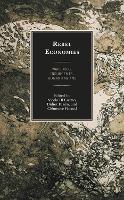
Rebel Economies :Warlords, Insurgents, Humanitarians
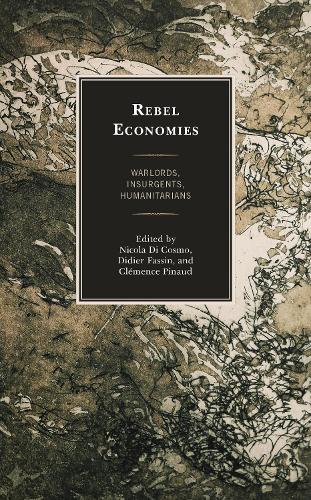
Rebel Economies :Warlords, Insurgents, Humanitarians
hardback
Published:
18 May, 2021

Popular Books by Nicola Di Cosmo
View All Books by Nicola Di Cosmo
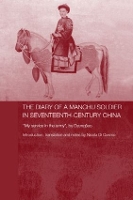
Description
More Details
| Type | Book |
|---|---|
| ISBN13 | 9781793635198 |
| ISBN10 | 1793635196 |
| Number Of Pages | 290 |
| Item Weight | 612 g |
| Product Dimensions | 163 x 228 x 27 mm |
| Publisher / Reseller | Bloomsbury Publishing Plc |
| Format | hardback |
Media Reviews
The editors of Rebel economies have assembled a unique, multidisciplinary collection of contributions on how non-state actors organize their economies, finance their activities and interact with formal economic and financial systems. This multidisciplinary approach is welcome addition to International Relations’ understanding of rebel economies, and opens doors for other disciplines to make contributions to these fields. This book would make a good supplemental text for a course on conflict economics, or work as an introduction to conflict economics in a course on intra-state conflict. * International Affairs *
“This is a fascinating and important addition to our understanding of war economies. Much of the literature tends to focus on how wars are financed and the impact of conflict on the local economy. Rebel Economies expands the scope to include how rebels organize economic life with multiple aims, including resource extraction for war and profit, and uses their own ideas of good governance to organize economic life. In other words, rebel economies resemble state economies but without the state. The subject alone makes the book unusual and well-worth engaging, and the individual chapters are fascinating and highly rewarding.” -- Michael Barnett, George Washington University
“Rebel Economies: Warlords, Insurgents, Humanitarians is a rich, empirically-based analysis of similarities and differences in non-state war economies within superficially incommensurate contexts of space and time, viewed from a range of disciplinary perspectives. Among its many striking insights are the often incomplete separation of state and non-state actors, and the prevalence of complex networks of stakeholders in which local and global interests increasingly are intertwined.” -- Joanna Waley-Cohen, NYU Shanghai
Author's Bio
Nicola Di Cosmo is the Henry Luce Foundation Professor of east Asian Studies at the Institute for Advanced Study
Didier Fassin is the James D. Wolfensohn Professor at the Institute for Advanced Study, director of studies at the École des Hautes Études en Sciences Sociales, and annual chair of public ealth at the Collège de France.
Clémence Pinaud is assistant professor at the department of international studies of Indiana University, Bloomington.