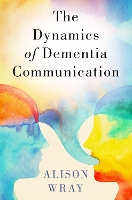
Why Dementia Makes Communication Difficult :A Guide to Better Outcomes
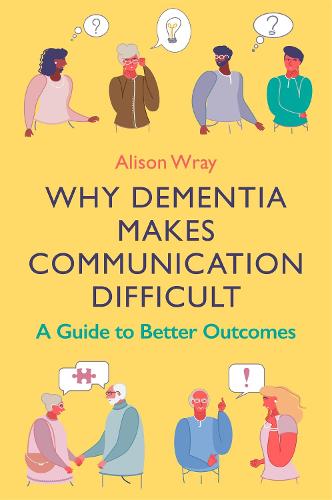
Why Dementia Makes Communication Difficult :A Guide to Better Outcomes
paperback
Published:
19 August, 2021

Popular Books by Alison Wray
View All Books by Alison Wray




Description
Selected for Reading Well for Dementia 2024: endorsed by health experts, charities and people affected by dementia.
Dementia brings many challenges, not least its ability to disrupt effective communication. The quality of communication plays a major role in how well people living with a dementia manage. When communication doesn't work well, the complications of dementia are compounded.
Rather than only offering tips on what to say and how to say it, this book explores the underlying motivations of communication, so we can better understand why we say what we do, why we say it the way we do, what can go wrong, and how attempts to fix things can go awry.
As well as considering why communication goes wrong in day-to-day conversations, the chapters offer advice on dealing with awkward moments, the question of deception, and the things we can and can't control in dementia. Readers are asked to reflect on their own role, and how they can manage their own behaviours to avoid unintentionally blocking routes to productive communication.
Including clear action points for carers, bystanders and people with a dementia diagnosis, this book shows how to approach communication to improve outcomes.
More Details
| Type | Book |
|---|---|
| ISBN13 | 9781787756069 |
| ISBN10 | 1787756068 |
| Number Of Pages | 192 |
| Item Weight | 298 g |
| Product Dimensions | 152 x 228 x 14 mm |
| Publisher / Reseller | Jessica Kingsley Publishers |
| Format | paperback |
Media Reviews
A state of relatedness is vital for our social and emotional health, coping, and existential well-being. The changes in communication brought on by neurocognitive disorders pose a palpable threat to these critical elements of our lives. In her accessible and empowering book, Dr. Wray offers hopeful insights and practical strategies to help accommodate. Her perspective is honest, human, and, most remarkably, inclusive of the person living with neurocognitive disorder as a member of its audience. Having managed these issues clinically for 15 years, I can say, without a doubt, that this text is a very welcome addition to the field. -- Douglas W. Lane, Clinical Psychologist, specialty in Older People
This is a fascinating book. I wish it had been available when my mum and dad were living with dementia. It asks all the questions I was constantly asking myself as a carer, and addresses them with wisdom and understanding. It's more than a primer on Alzheimer's, it's a book about the human condition. -- Sir Tony Robinson, Broadcaster, Actor and Writer
This book is a great resource that provides a family care giver, a friend or a professional carer with an understanding of what is getting in the way of a successful communication with a person with dementia and to have more options for how to respond. -- Jackie Pool, Dementia Care Champion, QCS Quality Compliance Systems
Author's Bio
Alison Wray is a Research Professor in Language and Communication at Cardiff University. Building on her career as an internationally renowned researcher on formulaic language, since 2007 her research has focused on language and dementia. Alison regularly presents to and works with dementia training and dementia care organisations to disseminate and explain her work.