Popular Books by Rhiannon Ifans
View All Books by Rhiannon Ifans
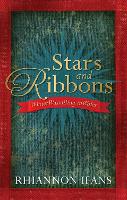
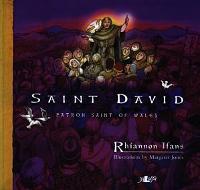
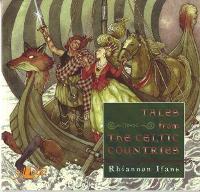
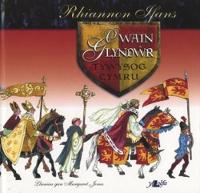
Red Hearts and Roses? :Welsh Valentine Songs and Poems
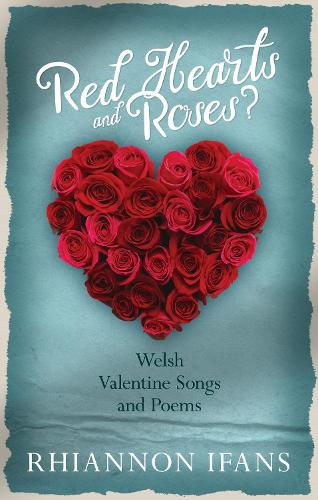
Red Hearts and Roses? :Welsh Valentine Songs and Poems
paperback
Published:
9 January, 2019
paperback
Published:
9 January, 2019

Description
Who was Saint Valentine, the saint who gave his name to the festival of lovers? Where do red hearts and roses fit in? Or do they? This volume addresses these questions, but focuses more specifically on the previously unpublished Welsh poetry written over the centuries on the feast day of Saint Valentine in mid- February, the one saint’s day in the Christian calendar of saints that does not depend on the Church for its celebration. Far from resembling anything else on offer in any other part of the UK, these Welsh songs are lyrical, expressive, and often in cynghanedd. This volume analyses this rich collection of extant Welsh Saint Valentine’s Day poems, and advances a new understanding of societal propriety in settings where citizens paid great attention to tradition. In so doing, it offers new insights into the tradition of observing Saint Valentine’s Day in Wales and, indeed, argues that although it is the fifth-century Dwynwen who is today considered to be the patron saint of Welsh lovers, Saint Valentine also handed out aid and sympathy to lovers in Wales over many centuries. To read Rhiannon Ifans article on her volume, visit Parallel.Cymru website https://parallel.cymru/rhiannon-ifans-red-hearts-and-roses/
More Details
| Type | Book |
|---|---|
| ISBN13 | 9781786833716 |
| ISBN10 | 1786833719 |
| Number Of Pages | 368 |
| Item Weight | 1000 g |
| Publisher / Reseller | University of Wales Press |
| Format | paperback |
See More +
Author's Bio
Within the academic community the book can be expected to have broad appeal. It should be of particular interest to those concerned with folk life studies taught widely at the undergraduate and graduate levels at universities within the UK, in countries across the EU, and in several markets further afield. It will be accessible and of interest to an audience drawn from historians, musicologists, linguists, museum professionals, students of Celtic Studies, and those involved with comparative folk life studies worldwide; it will also have significant appeal for readers with a more general interest in Welsh life and culture.