The Neurodiverse Classroom :A Teacher's Guide to Individual Learning Needs and How to Meet Them
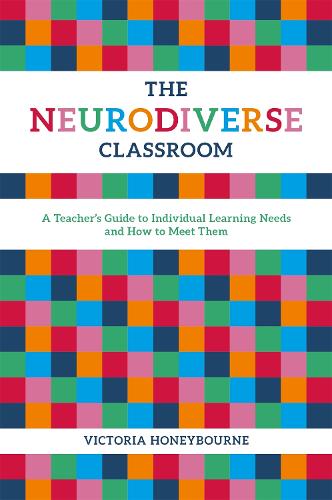
The Neurodiverse Classroom :A Teacher's Guide to Individual Learning Needs and How to Meet Them
paperback
Published:
21 May, 2018

Popular Books by Victoria Honeybourne
View All Books by Victoria Honeybourne
Description
With specific learning difficulties more prevalent than ever in mainstream schools, this is the essential guide for teachers wishing to create inclusive and successful learning environments in diverse classrooms. Focusing on promoting acceptance and self-esteem of each child rather than on labelling their difficulties, it shows how to make good use of simple resources and meet a wide range of needs, including children with ADHD, autism, OCD, dyslexia and special speech and language needs.
The practical advice and strategies in this book enable schools to become more accepting places for all pupils, and embrace neurodiversity as the new 'normal' in education today.
More Details
| Type | Book |
|---|---|
| ISBN13 | 9781785923623 |
| ISBN10 | 1785923625 |
| Number Of Pages | 192 |
| Item Weight | 292 g |
| Product Dimensions | 150 x 228 x 8 mm |
| Publisher / Reseller | Jessica Kingsley Publishers |
| Format | paperback |
Media Reviews
Victoria Honeybourne's The Neurodiverse Classroom is a groundbreaking book. This book will have an impact on the reframing of classroom practice and creating successful and fully inclusive schools - moving from the rhetoric to the reality.
Clearly organized and well-written, this is a superb book for all educators. The term 'neurodiversity' is clearly explained and Honeybourne, using her personal and vast professional experience, provides practical arguments as to why a paradigm shift in inclusion is needed. As she indicates, 'neurodiversity' should be accepted and celebrated. This a positive book with a persuasive message. It will, and certainly should, become a popular book for those entering the profession and for experienced practitioners. There are many practical strategies contained within comprehensive coverage of the challenges experienced by children with learning differences and how these can be overcome. An exciting, thought-provoking and practical book.
A refreshing new approach to neurodiversity within the classroom. Victoria Honeybourne supports the notion of teaching all students as individuals and not categorising them by the 'labels' that some have for their learning difficulties. All students have strengths and weaknesses and there is no one 'correct' way of teaching for all. The book gives useful ideas, advice and checklists and is a stimulating and thought-provoking resource for all involved in education. -- Dr Diana Hudson, author of Specific Learning Difficulties - What Teachers Need to Know
Victoria Honeybourne has written an innovative book which presents new ways of approaching individual needs and inclusion in schools. It is a thought-provoking book emphasising the benefits of embracing neurodiversity and celebrating difference. Victoria clearly describes how to implement a whole school approach to promote positive attitudes to neurodiversity, and provides practitioners with a wealth of easy-to-use resources and strategies. This book will help practitioners who are struggling to cope with the wide range of needs presented by the pupils in their class and enable them to learn and thrive. -- Joy Beaney, teacher, autism specialist and author of Winston Wallaby Can’t Stop Bouncing and Creating Autism Champions
GoodReads Reviews
Author's Bio
Victoria Honeybourne is a senior advisory teacher, trainer and writer. Her background is in special educational needs teaching and she is author of a number of books on the topic. She has a particular interest in promoting wellbeing amongst young people and females on the autism spectrum. She has a diagnosis of Asperger Syndrome and lives in Shropshire, UK.