Understanding Ravenna
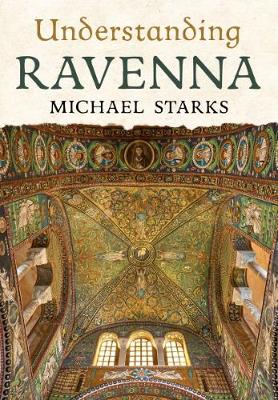
Understanding Ravenna
paperback
Published:
26 September, 2024
paperback
Published:
26 September, 2024

Standard worldwide delivery by
Tue, June 16 - Fri, June 19
Order within
0
Condition:
NEW
$23.07
RRP
$25.50
You save $2.43 (10%)
Available
6
in stock
FREE Returns within 30 days
Popular Books by Michael Starks
View All Books by Michael Starks


Description
Ravenna has eight World Heritages sites--churches, baptisteries, chapels and monuments dating from the fifth and sixth centuries AD which are renowned especially for exquisite mosaics portraying biblical scenes and figures. They were designed, constructed and decorated over decades during the era of the fall of the western Roman empire, against a tide of invasion, regime change, conflict and a destructive Italian civil war. How did Ravenna achieve such architectural and artistic glory in this era? The book recounts the city's unique experience as the capital both of the late western Roman empire and of its successor Gothic kingdoms. It shows the central role played by its bishops as the early Christian Church detached itself from the crumbling imperial government. It brings out the important cultural contribution of the kingdom of Italy headed by Theodoric the Ostrogoth and the strong links between Ravenna and the emerging Byzantine empire of the eastern emperor Justinian.
More Details
| Type | Book |
|---|---|
| ISBN13 | 9781781557112 |
| ISBN10 | 178155711X |
| Number Of Pages | 128 |
| Item Weight | 420 g |
| Product Dimensions | 172 x 248 x 8 mm |
| Publisher / Reseller | Fonthill Media Ltd |
| Format | paperback |
See More +
GoodReads Reviews
Author's Bio
Michael Starks is a published writer and a keen traveller. A history graduate from Cambridge and a former television producer, he is the author of `The Traveller's History of the Hundred Years War in France' (Cassell, 2002). He takes a special interest in the ancient history of the countries around the Mediterranean, travelling to Greece, Italy, Spain, Turkey, Syria, Egypt, Morocco and Iran as well as France. After a career at the BBC in London, he moved to Oxford, to become an associate of the University and a member of Lady Margaret Hall.