Python Tools for Scientists :An Introduction to Using Anaconda, JupyterLab, and Python's Scientific Libraries
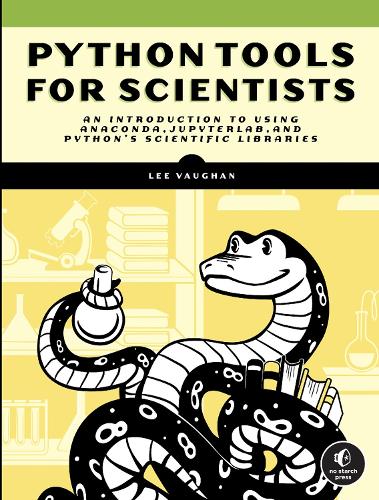
Python Tools for Scientists :An Introduction to Using Anaconda, JupyterLab, and Python's Scientific Libraries
paperback
Published:
19 January, 2023

Popular Books by Lee Vaughan
View All Books by Lee Vaughan
Description
More Details
| Type | Book |
|---|---|
| ISBN13 | 9781718502666 |
| ISBN10 | 1718502664 |
| Number Of Pages | 744 |
| Item Weight | 1000 g |
| Publisher / Reseller | No Starch Press,US |
| Format | paperback |
Media Reviews
"Python Tools for Scientists helps people get up and running in Python so that they can start solving their problems right away instead of being daunted by the dizzying array of tools available in the ecosystem. I wish something like this had been available when I first picked up Python as a scientist!"
—James Bednar, Director of Custom Services, Anaconda, Inc.
“Python has a wealth of scientific computing tools, so how do you decide which ones are right for you? This book cuts through the noise to help you deliver results."
—Serdar Yegulalp, InfoWorld
"The book [Python Tools for Scientists] by Lee Vaughan is a critical resource for anyone that is new to Python programming and intends to become a Python expert. It covers all of the critical topics in an easily understandable format and it goes deep enough to be helpful in navigating advanced topics. The book is also true to current Software Engineering standards and gives even new developers the tools to jump start their Python career."
—Dr. Alec Yasinsac, Department of Computer Science, University of South Alabama
"I wish there was a book like this when I started learning Python... [Python Tools for Scientists] is a practical, detailed, hands-on introduction to setting up a local Python workspace and getting started with the basics of Python programming. It was written for scientists, by a scientist who knows what the typical problems are when scientists and engineers start using Python tools in their everyday work. It also introduces the wide variety of packages that can be used in scientific programming and provides guidelines on when to use them. Matplotlib, numpy, and pandas are covered in much more detail - as they should be. The writing and the organization of the material are clear and easy to follow. I have been using Python for many years, but I know I will be using this book both in teaching and research."
—Zoltán Sylvester, Senior Research Scientist, University of Texas at Austin
GoodReads Reviews
Author's Bio
Lee Vaughan is a programmer, pop culture enthusiast, educator, and author of Impractical Python Projects and Real-World Python (No Starch Press). As a former executive-level scientist at ExxonMobil, he spent decades constructing and reviewing complex computer models, developed and tested software, and trained geoscientists and engineers.