The Prepper's Canning Guide: Affordably Stockpile a Lifesaving Supply of Nutritious, Delicious, Shelf-Stable Foods
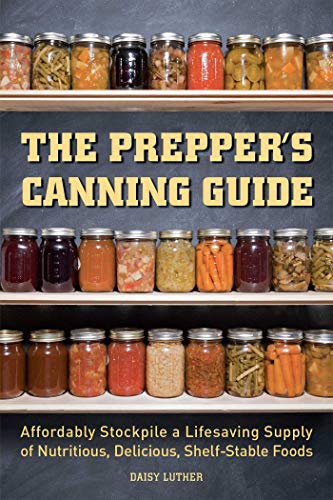
The Prepper's Canning Guide: Affordably Stockpile a Lifesaving Supply of Nutritious, Delicious, Shelf-Stable Foods
paperback | English
Published:
30 March, 2017
paperback | English
Published:
30 March, 2017

Standard worldwide delivery by
Thu, June 25 - Tue, June 30
Order within
0
Popular Books by Daisy Luther
View All Books by Daisy Luther
Description
A practical and approachable guide to amassing an emergency food supply filled with you own natural dishes It's surprisingly easy to stock food for a disaster--just buy a large quantity of prepackaged items. But do you wants to live on those tasteless, preservative-filled, glorified K-rations? Prepper's Canning Guide offers a better solution. With step-by-step instructions on preparing, preserving, and storing real foods, this handy guide teaches you how to turn fresh and delicious fruits, vegetables, and meats into shelf-stable foods. Then it provides recipes to combine the canned ingredients into complete, nutritious meals. Dishes like Deep South BBQ, Split Pea Soup, and Mexican Pork and Beans make it possible to feast on a variety of tasty meals, even during an emergency situation.
More Details
| Type | Book |
|---|---|
| ISBN13 | 9781612436647 |
| ISBN10 | 1612436641 |
| Number Of Pages | 181 |
| Item Weight | 204 g |
| Product Dimensions | 152 x 15 x 226 mm |
| Publisher / Reseller | Ulysses Press |
| Format | paperback |
See More +
GoodReads Reviews
Author's Bio
Daisy Luther is the author of Prepper's Water Survival Guide, The Pantry Primer and The Organic Canner. On her website, The Organic Prepper, Daisy writes about healthy prepping, homesteading adventures, frugal living, and the pursuit of liberty and food freedom. She is also the co-founder of the website Nutritional Anarchy, which focuses on resistance through food self-sufficiency.