When you buy a used copy YOU SAVE

1.12Kg of CO2

140 litre(s) of Water

0.0084 Tree(s)

1 book donated to global literacy projects
Cognitive Therapy: 100 Key Points and Techniques - 100 Key Points
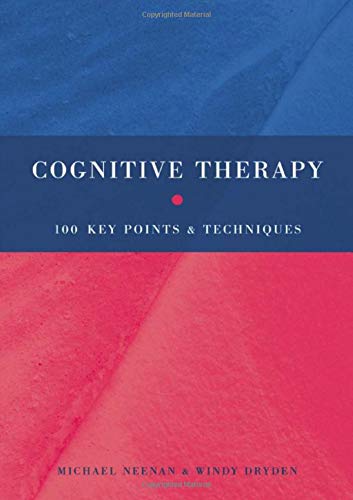
Cognitive Therapy: 100 Key Points and Techniques - 100 Key Points
paperback
Published:
29 April, 2004
paperback
Published:
29 April, 2004

Standard worldwide delivery by
Thu, June 18 - Tue, June 23
Order within
0

Condition:
USED
$7.62
RRP
$22.66
You save $15.05 (66%)
Available
3
in stock
FREE Returns within 30 days
Popular Books by Michael Neenan
View All Books by Michael Neenan


Description
Cognitive Therapy: 100 Key Points and Techniques is a crisp, concise elaboration of the 100 main features of the most popular and best validated approach within the field of cognitive behaviour therapy. The 100 key points cover cognitive therapy theory and practice, and examine misconceptions about this approach. Divided into helpful sections, topics covered include assessment, homework, ways of detecting NATS, uncovering core beliefs and relapse prevention.
This neat, usable book is an essential guide for psychotherapists and counsellors, both in training and in practice, who need to ensure they are entirely familiar with the key features of cognitive behavioural therapy.
This neat, usable book is an essential guide for psychotherapists and counsellors, both in training and in practice, who need to ensure they are entirely familiar with the key features of cognitive behavioural therapy.
More Details
| Type | Book |
|---|---|
| ISBN13 | 9781583918586 |
| ISBN10 | 1583918582 |
| Number Of Pages | 280 |
| Item Weight | 322 g |
| Product Dimensions | 126 x 22 x 196 mm |
| Publisher / Reseller | Routledge |
| Format | paperback |
| Edition | 1 |
See More +
Media Reviews
With sections like 'Practicing what you preach' it would be an unwise step for any practicioner to pass this text by on the bookstore... supervisors will almost certainly wish to consider whether this text might not be a godsend to the process especially where students and volunteers from a wider field are compelled to take note or even perform 'cognitively' in their placements. - Dennis Bury, British Association for Behavioural and Cognitive Psychotherapies Newsletter, November 2004
GoodReads Reviews
Author's Bio
Michael Neenan is Associate Director of the Centre for Stress Management, London. Windy Dryden is Professor of Psychotherapeutic Studies at Goldsmiths College, London.