Postcoloniality, Globalization, and Diaspora :What’s Next?
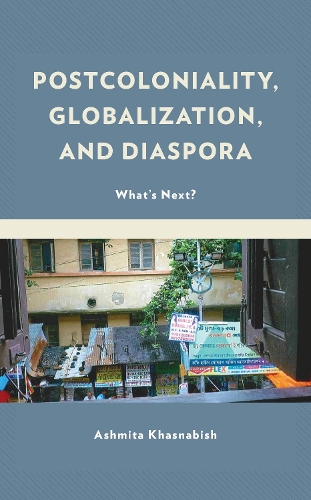
Postcoloniality, Globalization, and Diaspora :What’s Next?
hardback
Published:
3 December, 2019

Popular Books by Ashmita Khasnabish
View All Books by Ashmita Khasnabish
Description
More Details
| Type | Book |
|---|---|
| ISBN13 | 9781498570237 |
| ISBN10 | 1498570232 |
| Number Of Pages | 140 |
| Item Weight | 386 g |
| Product Dimensions | 160 x 229 x 18 mm |
| Publisher / Reseller | Bloomsbury Publishing Plc |
| Format | hardback |
Media Reviews
The essays in this collection trace the progression from the constructs of postcolonialism through to globalization and pose the question: what comes next?
The contributors represent a wide geographical and cultural area and a wide range of expertise. The subject matter of these essays is equally far-reaching, focusing on the movement toward environmental stewardship among the first peoples of New Zealand to hybridity in Mauritius so complex that it defies that category. What draws these disparate essays into a whole is their common emphasis — while laying out the trajectory in literary and cultural studies from postcolonialsm and post structuralism to globalism, they all note the strictures of these paradigms: the focus on subalternity, the post-structuralist imposition of Western interpretive frameworks on non-Western thought, the globalization that flattens out difference in an effort to smooth largely economic exchanges.
In different ways these essays leave behind subalternity and erasure of difference to propose constructs of egalitarian exchange, based upon alternative “discursive centers” more confidently asserted. And as several of the authors assert, the establishment of such discursive centers is “at its core a metaphysical undertaking.” The stance underlying these essays is that expressed by the editor in the preface: What is wrong with optimism?
There are many things to praise in this project: It provides scholars with a clear and firm vision of what a postcolonial studies of the future might look like, moving us beyond an aesthetics of crisis pegged on hybridity and dispersal to one informed by psychological unity, synthesis, and sublimity. Looking towards the future rather than the past, the book is a bold reflection on what is lost and gained when postcolonialism, diaspora, and globalization are located at the center of our rethinking of alternative communities. -- Simon Gikandi, Robert Schirmer Professor of English, Princeton University
Author's Bio
Ashmita Khasnabish is lecturer at Lasell University and visiting scholar at Oxford University.