Tracking the Neolithic House in Europe :Sedentism, Architecture and Practice - One World Archaeology
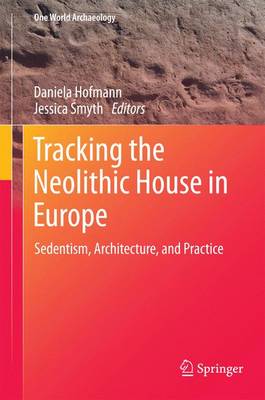
Tracking the Neolithic House in Europe :Sedentism, Architecture and Practice - One World Archaeology
paperback
Published:
14 October, 2014
paperback
Published:
14 October, 2014

Standard worldwide delivery by
Mon, August 3 - Thu, August 6
Order within
0
Popular Books by Daniela Hofmann
View All Books by Daniela Hofmann

Description
The Neolithic period is noted primarily for the change from hunter-gatherer societies to agriculture, domestication and sedentism. This change has been studied in the past by archaeologists observing the movements of plants, animals and people. But has not been examined by looking at the domestic architecture of the time. Along with tracking the movement of sedentism, Neolithic houses are also able to show researchers the beginnings of cultural identity, group representation through the construction and decoration of these structures. Additionally as agriculture moved west and north in this era, the architecture and material culture shows this change and its significance. Chapters are arranged chronologically so that authors can address differences and similarities of their region to neighboring ones. To ensure continuity, authors have framed the chapters around the following considerations: construction materials and architectural characteristics; how houses facilitated or perpetua
More Details
| Type | Book |
|---|---|
| ISBN13 | 9781493921577 |
| ISBN10 | 1493921576 |
| Number Of Pages | 408 |
| Item Weight | 1000 g |
| Publisher / Reseller | Springer-Verlag New York Inc. |
| Format | paperback |
| Edition | 2013 ed. |
See More +
Media Reviews
From the book reviews:
“This is an excellent volume that will be of considerable use to anyone studying the European Neolithic. It is a useful first port of call for students and researchers finding their way into the relevant literature and key sites within a particular region, and it also offers an overview, both in the thematic papers and in the sum of the regional case histories, of the entire phenomenon across Europe.” (Mike Parker Pearson, Journal of Anthropological Research, Vol. 70, 2014)