1.02Kg of CO2

128 litre(s) of Water

0.0077 Tree(s)

1 book donated to global literacy projects
The Word at War :World War Two in 100 Phrases
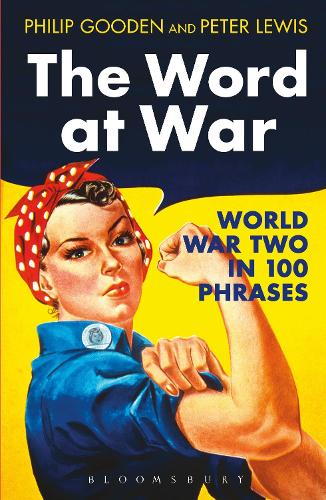
The Word at War :World War Two in 100 Phrases
hardback
Published:
25 September, 2014


Popular Books by Peter Lewis
View All Books by Peter Lewis
Description
More Details
| Type | Book |
|---|---|
| ISBN13 | 9781472904898 |
| ISBN10 | 1472904893 |
| Number Of Pages | 256 |
| Item Weight | 303 g |
| Publisher / Reseller | Bloomsbury Publishing PLC |
| Format | hardback |
Media Reviews
This eloquent pair of authors are a language lover's dream. The book captures the pugnacious parlance of wartime in all its oxymorons, its inventive acronyms, its clever rhetoric, its racy slang and its appalling euphemisms. There are surprises, too: humour, sexiness and neology: Jeep, SPAM, flak, kamikaze and mega, to name a few linguistic creations. The enduring semantic legacy, over seven decades, teaches us a lot about how we communicate in a crisis; something that's particularly pertinent today. -- Gary Nunn * Guardian 'Mind your language' columnist *
Much of the value in this little book lies in the similarly extensive background details that Gooden and Lewis supply throughout. -- Michael Quinion * World Wide Words *
This wonderful book defines the wartime words and phrases that still resonate in the language of peacetime. -- Iain Finlayson * Saga Magazine *
Author's Bio
Philip Gooden read English at Magdalen College, Oxford, and then taught at secondary school level for many years. In 2001 he became a full-time writer. Philip writes books on the English language as well as historical crime novels and mysteries. He was chairman of the Crime Writers' Association in 2007-8 and is part of the writing collective, The Medieval Murderers. He has also written the popular Who's Whose?: A No-Nonsense Guide to Easily-Confused Words, published by Bloomsbury. Peter Lewis taught German at St Anne's College, Oxford and worked as a publishing commissioning editor before becoming a freelance translator, writer and project manager. Recent translations include The Mad Science Book (Quercus) and Roman Elegy (Haus Publishing).