When you buy a used copy YOU SAVE

0.95Kg of CO2

119 litre(s) of Water

0.0071 Tree(s)

1 book donated to global literacy projects
You Can't Say That! (Georgian Press) - Law in Context
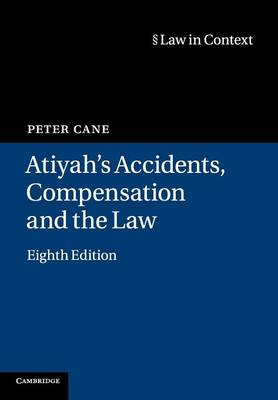
You Can't Say That! (Georgian Press) - Law in Context
paperback
Published:
4 March, 2010
paperback
Published:
4 March, 2010

Standard worldwide delivery by
Fri, July 17 - Wed, July 22
Order within
0

Condition:
USED
$10.05
RRP
$19.07
You save $9.02 (47%)
Available
1
in stock
FREE Returns within 30 days
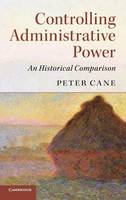
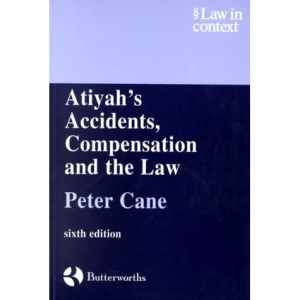
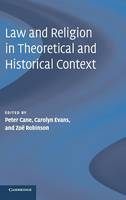
Popular Books by Peter Cane
View All Books by Peter Cane
Description
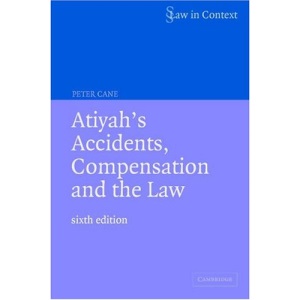
Since publication of the seventh edition of this seminal text, personal injury law has witnessed momentous changes. A major overhaul of the social security system began in 2012 and the Equality Act 2010 significantly modifies anti-discrimination law and its impact on the disabled. But perhaps the most important legal developments have affected the financing and conduct of personal injury claiming and the operation of the claims-management industry. This new edition takes account of all this activity while setting it into a wider and longer perspective. Complaints that Britain is a 'compensation culture' and that the tort system is out of control are explained and assessed and options for further change are explored. Through the turmoil and controversy, the tort system remains a central feature of the legal and social landscape. The book's enduring central argument for its radical reform remains as compelling as ever.
More Details
| Type | Book |
|---|---|
| ISBN13 | 9781107636323 |
| ISBN10 | 1107636329 |
| Number Of Pages | 238 |
| Item Weight | 362 g |
| Product Dimensions | 10 x 233 x 155 mm |
| Publisher / Reseller | Cambridge University Press |
| Format | paperback |
| Edition | Reprint |
See More +
Author's Bio
Peter Cane is Distinguished Professor of Law at the Australian National University College of Law. His main research interests are in the law of obligations, especially tort law; public law, especially administrative law; and legal theory.