Shakespeare's Women :Performance and Conception
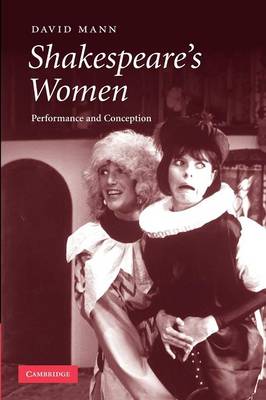
Shakespeare's Women :Performance and Conception
paperback
Published:
26 July, 2012
paperback
Published:
26 July, 2012

Standard worldwide delivery by
Fri, July 17 - Tue, July 28
Order within
0
Popular Books by David Mann
View All Books by David Mann


Description
In this book, David Mann examines the influence of the Elizabethan cross-dressed tradition on the performance and conception of Shakespeare's female roles through an analysis of all 205 extant plays written for the adult theatre. The study provides both an historical context, showing how performance practice developed in the era before Shakespeare, and a comparative one, in revealing how dramatists in general treated their female characters and the influence their characterisation had upon Shakespeare's writing. The book challenges many views of the sexual ethos of Elizabethan theatre, offering instead a picture of Shakespeare which pays less attention to his supposed gender politics and more to his ability to exploit the cross-dressed convention as a dramatic medium. By challenging the gay and polemical feminist accounts that currently dominate the treatment of Elizabethan cross-dressing, the book restores its importance as a mainstream performance topic for academics and students.
More Details
| Type | Book |
|---|---|
| ISBN13 | 9781107405929 |
| ISBN10 | 1107405920 |
| Number Of Pages | 304 |
| Item Weight | 410 g |
| Product Dimensions | 150 x 226 x 18 mm |
| Publisher / Reseller | Cambridge University Press |
| Format | paperback |
See More +
Media Reviews
'David Mann's book is an interesting and inspiring contribution to character criticism, an area of Shakespeare studies that is badly in need of … reinvigoration … Paying close attention to the full range of extant early modern drama, not just Shakespeare as his title suggests, Mann opens up the investigation of women characters to a degree unmatched since the feminist heyday of the 1980s and 1990s. … this is a valuable book …' New Theatre Quarterly
'The study is strongest where it discusses dramatic history and performative technique. … the broad treatment offers interesting challenges and useful materials towards our thinking about the cross-dressed boy actor on the early modern stage.' Theatre Research International