Animal Models of Human Disease - Elements in the Philosophy of Biology
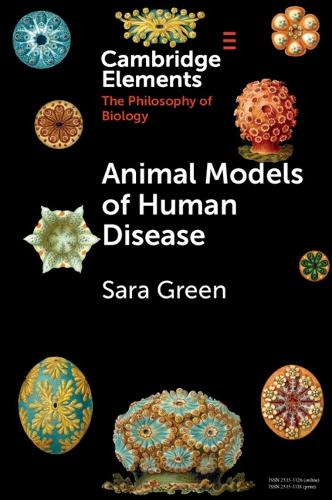
Animal Models of Human Disease - Elements in the Philosophy of Biology
paperback
Published:
16 May, 2024
paperback
Published:
16 May, 2024

Standard worldwide delivery by
Wed, July 15 - Mon, July 20
Order within
0
Popular Books by Sara Green
View All Books by Sara Green







Description
The crucial role of animal models in biomedical research calls for philosophical investigation of how and whether knowledge about human diseases can be gained by studying other species. This Element delves into the selection and construction of animal models to serve as preclinical substitutes for human patients. It explores the multifaceted roles animal models fulfil in translational research and how the boundaries between humans and animals are negotiated in this process. The book also covers persistent translational challenges that have sparked debates across scientific, philosophical, and public arenas regarding the limitations and future of animal models. Among the are persistent tensions between standardization and variation in medicine, as well as between strategies aiming to reduce and recapitulate biological complexity. Finally, the book examines the prospects of replacing animal models with animal-free methods. The Element demonstrates why animal modeling should be of interest to philosophers, social scientists, and scientists alike.
More Details
| Type | Book |
|---|---|
| ISBN13 | 9781009012300 |
| ISBN10 | 1009012304 |
| Number Of Pages | 90 |
| Item Weight | 140 g |
| Product Dimensions | 150 x 228 x 5 mm |
| Publisher / Reseller | Cambridge University Press |
| Format | paperback |
See More +
Media Reviews
'This book is an invaluable resource for anyone interested in animal modeling from a philosophical perspective. In addition to posing interesting questions, it provides the reader with an objective overview of the contemporary philosophical debates in the field. It is both readable and clear, and it also touches on some very different and original examples.' Héloïse Athéa, History and Philosophy of the Life Sciences