Liberating Learning
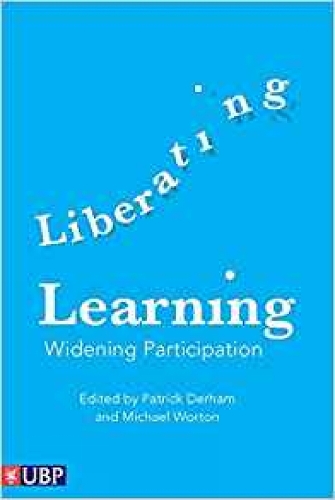
Liberating Learning
paperback
Published:
17 March, 2010

Popular Books by Patrick Derham
View All Books by Patrick Derham
Description
More Details
| Type | Book |
|---|---|
| ISBN13 | 9780956071682 |
| ISBN10 | 0956071686 |
| Number Of Pages | 96 |
| Item Weight | 200 g |
| Product Dimensions | 160 x 230 x 10 mm |
| Publisher / Reseller | Legend Press Ltd |
| Format | paperback |
Media Reviews
Given the scale and density of socially-concentrated educational failure in the UK, the weakness of educational culture in many demographic groups, and the pervasiveness of low expectations the need for action on grounds both of moral urgency and economic utility is overwhelming.
In this compact collection of 13 short essays, UK academics, teachers, and administrators plumb the reasons behind the achievement gap in education, which is blamed on standardized testing and teaching to the test at the expense of student interest. Drawing on background in philosophy and history as well as real-life experiences in innovative programs, secondary schools, and post-secondary institutions, the contributors recommend giving teachers more freedom to create their own curricula to engage students. Some specific areas addressed include science education, curriculum development, mentoring, and the relationship between social exclusion and underachievement.