kâ-pî-isi-kiskisiyân / The Way I Remember - Our Own Words
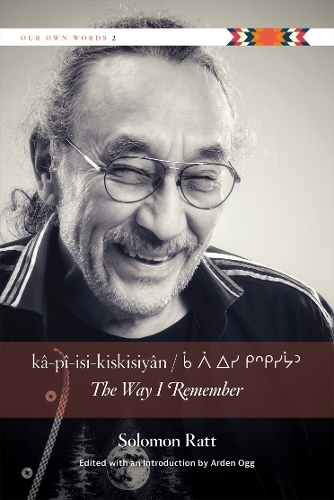
kâ-pî-isi-kiskisiyân / The Way I Remember - Our Own Words
Paperback | English
Published:
21 January, 2023

Popular Books by Solomon Ratt
View All Books by Solomon Ratt
Description
Prizes
Winner of Saskatchewan Book Awards City of Regina Book Award 2024,Winner of Saskatchewan Book Awards Publishing Award 2024
More Details
| Type | Book |
|---|---|
| ISBN13 | 9780889779143 |
| ISBN10 | 0889779147 |
| Number Of Pages | 264 |
| Item Weight | 540 g |
| Product Dimensions | 153 x 229 x 26 mm |
| Publisher / Reseller | University of Regina Press |
| Format | Paperback |
Media Reviews
"Sol is an international treasure the whole world should enjoy." —Buffy Sainte-Marie
"The Way I Remember is inarguably the most important book yet to be published for the preservation of the Cree language and an understanding of the importance of the oral tradition to Cree culture and education." —Jesse Archibald-Barber, First Nations University of Canada
"As he looks back over his life journey reclaiming, breathing new and old life back into our beautiful language, Solomon credits the late Reverend Edward Ahenekew for helping me "to put the pieces together." kista meena dear Solomon, ekosi aytotumawiyak. This is an important book because you have also put pieces together for us so that we can have a good journey. Kinahnaskomtin." —Maria Campbell, author of Halfbreed
"A gift to future generations...Full of humour and resilience in equal measure, these Cree/English stories offer us a glimpse into a world as it was, and future that could be" —Chelsea Vowel, author of Indigenous Writes
"The Way I Remember is an open introduction to Cree culture." —The Miramichi Reader
Author's Bio
Solomon Ratt was born on the banks of the Churchill River just north of the community of Stanley Mission. His parents were hunters and fishers who lived off the land, spending their winters on the trapline and summers fishing in La Ronge. Solomon spent the first six winters of his life with his parents, who didn’t speak English. They knew the ways of the land, including the traditional stories passed down through generations, which they told to Solomon and his siblings.