Cervantes in Algiers :A Captive's Tale
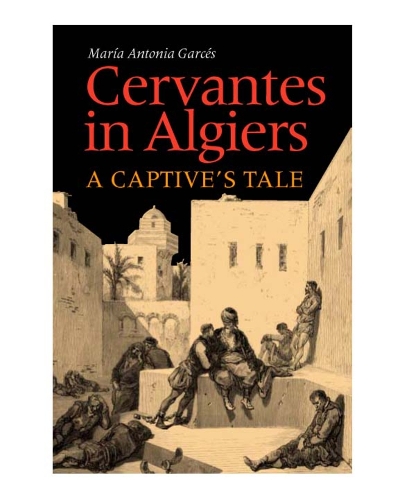
Cervantes in Algiers :A Captive's Tale
hardback
Published:
30 September, 2002

Popular Books by Maria Antonia Garces
View All Books by Maria Antonia Garces
Description
More Details
| Type | Book |
|---|---|
| ISBN13 | 9780826514066 |
| ISBN10 | 0826514065 |
| Number Of Pages | 368 |
| Item Weight | 1000 g |
| Publisher / Reseller | Vanderbilt University Press |
| Format | hardback |
Media Reviews
Maria Antonia Garces provides new and fascinating interpretations of Cervantes' texts . . . [Her] book is grounded on the link between trauma and creativity . . . The commingling of history, biography, and trauma studies and, most importantly, the vivid narrative of an Algiers that Cervantes constantly recalls, make of this an exciting and fascinating read. This is an important book that provides new and compelling insights into Cervantes' Algiers.
--Renaissance Quarterly
Maria Antonia Garces provides new and fascinating interpretations of Cervantes' texts . . . [Her] book is grounded on the link between trauma and creativity . . . The commingling of history, biography, and trauma studies and, most importantly, the vivid narrative of an Algiers that Cervantes constantly recalls, make of this an exciting and fascinating read. This is an important book that provides new and compelling insights into Cervantes' Algiers.
--Renaissance Quarterly
[Highly recommended] not because it gives a personal picture of prison life . . . or because it bolsters a new theory of trauma criticism . . . [but] because it accomplishes something that is greatly needed among Hispanists, which is to say that it gets out of the fiction into the real world in which it was produced.
--BHR
[Highly recommended] not because it gives a personal picture of prison life . . . or because it bolsters a new theory of trauma criticism . . . [but] because it accomplishes something that is greatly needed among Hispanists, which is to say that it gets out of the fiction into the real world in which it was produced.
--BHR
The significance of this book is enormous, as it is the first to chronicle Cervantes's five-year captivity in Algiers as both a traumatic and creative event [. . .] Garces's book will open up new avenues not only for rethinking the connections between trauma and captivity, but also for questioning the complex relations between Christian Spain and Islam in early modern times.
--Diana de Armas Wilson
The significance of this book is enormous, as it is the first to chronicle Cervantes's five-year captivity in Algiers as both a traumatic and creative event [. . .] Garces's book will open up new avenues not only for rethinking the connections between trauma and captivity, but also for questioning the complex relations between Christian Spain and Islam in early modern times.
--Diana de Armas Wilson
Author's Bio
Maria Antonia Garces, a former captive herself (a hostage of Colombian guerrillas), is associate professor of Hispanic studies, Cornell University.