Inherent Vice :Bootleg Histories of Videotape and Copyright
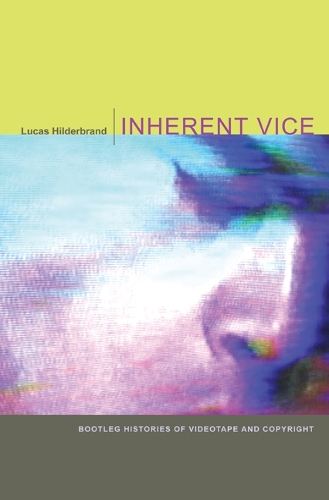
Inherent Vice :Bootleg Histories of Videotape and Copyright
paperback
Published:
28 May, 2009

Popular Books by Lucas Hilderbrand
View All Books by Lucas Hilderbrand
Description
Videotape not only radically changed how audiences accessed the content they wanted and loved but also altered how they watched it. Hilderbrand develops an aesthetic theory of analog video, an “aesthetics of access” most boldly embodied by bootleg videos. He contends that the medium specificity of videotape becomes most apparent through repeated duplication, wear, and technical failure; video’s visible and audible degeneration signals its uses for legal transgressions and illicit pleasures. Bringing formal and cultural analysis into dialogue with industrial history and case law, Hilderbrand examines four decades of often overlooked histories of video recording, including the first network news archive, the underground circulation of Superstar: The Karen Carpenter Story, a feminist tape-sharing network, and the phenomenally popular website YouTube. This book reveals the creative uses of videotape that have made essential content more accessible and expanded our understanding of copyright law. It is a politically provocative, unabashedly nostalgic ode to analog.
More Details
| Type | Book |
|---|---|
| ISBN13 | 9780822343769 |
| ISBN10 | 0822343762 |
| Number Of Pages | 352 |
| Item Weight | 508 g |
| Publisher / Reseller | Duke University Press |
| Format | paperback |
Media Reviews
“Hilderbrand’s labor of love is a solid work of scholarship. A particular strength of Inherent Vice is that Hilderbrand examines VHS tape as a new media - a continuity, collaboration, and co-existing of previous and future technologies, marking the point of intersection where new media and old media briefly compete for market share.“ - Tony Fonseca, Screening the Past “[An] intelligent, illuminating account of an understudied medium. . . . [I]f you, like me, are tired of having the same old present-minded conversation about illegal downloads, Hilderbrand will help change the terms of that conversation in productive ways by adding a layer of history too long ignored.” - Lisa Gitelman, Technology and Culture “[A]n engaging, thoughtful, and thought-provoking work. . . . [T]his book . . . reveals that although a certain kind of video may be dead, it lives on in myriad related forms and remains vital to understanding our cultural identities.” - Daniel Herbert, Scope “Inherent Vice, with its blend of history and legal analysis, helps place video and videotape recorders in their rightful place in the history of copyright in the U.S. and provides food for thought and continued debate over the role of copyright in the digital revolution. It is an interesting read for scholars of law and culture.” - Marc H. Greenberg, IP Law Book Review “[A] sort of love song to the VCR-one much needed in this age of YouTube. . . . Hilderbrand presents a strong case that personal recording technologies (in both analog and digital forms) represent a crucial site for both political struggle and public action, even civil disobedience-implicitly warning that fair use is something that needs to be fought for or else it will be subsumed by copy-protection schemes and corporate enclosure.” - Gerry Canavan, Independent Weekly “Hilderbrand . . . takes on a complex tangle of cultural history, moving-image aesthetics, and copyright law. . . . The crucial issues are those of access and interactivity. . . . These are precisely the uses that the Digital Millennium Copyright Act of 1998 was desgined to suppress. This book offers a persuasive argument that we should be moving in a very different direction.” - Dave Kehr, Film Comment “Inherent Vice does more than anything else I’ve read to bring together aesthetic analysis and intellectual property studies. It offers a beautifully conceived historical study of the ‘medium specificity’ of videotape and an eloquent defense of video in a world populated by film aesthetes and digital utopians. I learned a lot from this book and it helped me to think in new ways about analog media.”-Jonathan Sterne, author of The Audible Past: Cultural Origins of Sound Reproduction “By taking up the theme of analog videotape bootlegging in an era of aggressive digital rights management, Lucas Hilderbrand provides a timely and important window on the issues at stake in the creative commons movement. At the same time, he makes extremely interesting and valuable contributions to scholarship on the aesthetics of new media through his explorations of the affective dimensions of videotape, the implications of its ephemeral quality, and the interactivity its new technologies enabled.”-Timothy Lenoir, Kimberly J. Jenkins Chair of New Technologies and Society, Duke University “Inherent Vice, with its blend of history and legal analysis, helps place video and videotape recorders in their rightful place in the history of copyright in the U.S. and provides food for thought and continued debate over the role of copyright in the digital revolution. It is an interesting read for scholars of law and culture.” - Marc H. Greenberg (IP Law Book Review) “[A] sort of love song to the VCR-one much needed in this age of YouTube. . . . Hilderbrand presents a strong case that personal recording technologies (in both analog and digital forms) represent a crucial site for both political struggle and public action, even civil disobedience-implicitly warning that fair use is something that needs to be fought for or else it will be subsumed by copy-protection schemes and corporate enclosure.” - Gerry Canavan (Independent Weekly) “[A]n engaging, thoughtful, and thought-provoking work. . . . [T]his book . . . reveals that although a certain kind of video may be dead, it lives on in myriad related forms and remains vital to understanding our cultural identities.” - Daniel Herbert (Scope) “[An] intelligent, illuminating account of an understudied medium. . . . [I]f you, like me, are tired of having the same old present-minded conversation about illegal downloads, Hilderbrand will help change the terms of that conversation in productive ways by adding a layer of history too long ignored.” - Lisa Gitelman (Technology and Culture) “Hilderbrand . . . takes on a complex tangle of cultural history, moving-image aesthetics, and copyright law. . . . The crucial issues are those of access and interactivity. . . . These are precisely the uses that the Digital Millennium Copyright Act of 1998 was desgined to suppress. This book offers a persuasive argument that we should be moving in a very different direction.” - Dave Kehr (Film Comment) “Hilderbrand’s labor of love is a solid work of scholarship. A particular strength of Inherent Vice is that Hilderbrand examines VHS tape as a new media - a continuity, collaboration, and co-existing of previous and future technologies, marking the point of intersection where new media and old media briefly compete for market share.“ - Tony Fonseca (Screening the Past)