The Hippie Narrative :A Literary Perspective on the Counterculture
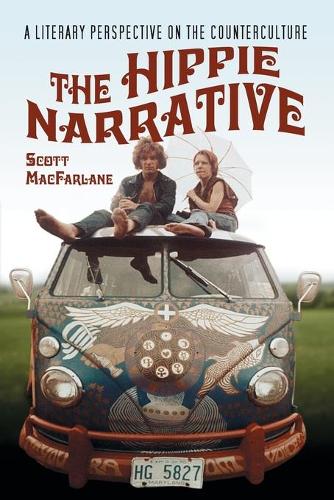
The Hippie Narrative :A Literary Perspective on the Counterculture
paperback
Published:
26 February, 2007

Popular Books by Scott MacFarlane
View All Books by Scott MacFarlane
Description
The Hippie movement of the 1960s helped change modern societal attitudes toward ethnic and cultural diversity, environmental accountability, spiritual expressiveness, and the justification of war. With roots in the Beat literary movement of the late 1950s, the hippie perspective also advocated a bohemian lifestyle which expressed distaste for hypocrisy and materialism yet did so without the dark, somewhat forced undertones of their predecessors. This cultural revaluation which developed as a direct response to the dark days of World War II created a counterculture which came to be at the epicenter of an American societal debate and, ultimately, saw the beginnings of postmodernism.
Focusing on 1962 through 1976, this book takes a constructivist look at the hippie era's key works of prose, which in turn may be viewed as the literary canon of the counterculture. It examines the ways in which these works, with their tendency toward whimsy and spontaneity, are genuinely reflective of the period. Arranged chronologically, the discussed works function as a lens for viewing the period as a whole, providing a more rounded sense of the hippie Zeitgeist that shaped and inspired the period. Among the 15 works represented are One Flew Over the Cuckoo's Nest, The Crying of Lot 49, Trout Fishing in America, Siddhartha, Stranger in a Strange Land, Slaughterhouse Five and The Fan Man.
More Details
| Type | Book |
|---|---|
| ISBN13 | 9780786429158 |
| ISBN10 | 0786429151 |
| Number Of Pages | 263 |
| Item Weight | 354 g |
| Product Dimensions | 152 x 229 x 13 mm |
| Publisher / Reseller | McFarland & Co Inc |
| Format | paperback |
Media Reviews
“in-depth”—Journal of Popular Culture; “until this book, there really was no defined genre of hippie narrative...one of the best books of 2007”—The Bellingham Herald; “views the counterculture through the lens of its fiction”—Seattle Times; “the 1960s and early 70s also were defined by a long list of pioneering writers who tested the boundaries of traditional storytelling and helped reflect the fast changing culture of the tumultuous...points out how the experimental writing techniques of hippie authors helped shape the kind of writing we see today”—Skagit Valley Herald; “an important work in American letters”—Gurney Norman, author.
Author's Bio
Scott MacFarlane lives in the Skagit Valley of Western Washington.