Identity Reflections :Pilgrimages to Mount Tai in Late Imperial China - Harvard East Asian Monographs
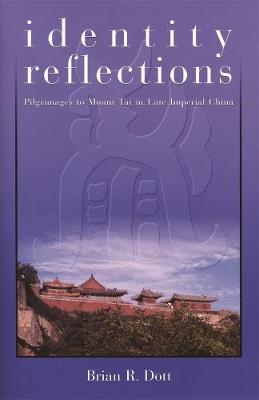
Identity Reflections :Pilgrimages to Mount Tai in Late Imperial China - Harvard East Asian Monographs
hardback
Published:
30 March, 2005

Popular Books by Brian R. Dott
View All Books by Brian R. Dott
Description
Mount Tai in northeastern China has long been a sacred site. Indeed, it epitomizes China’s religious and social diversity. Throughout history, it has been a magnet for both women and men from all classes—emperors, aristocrats, officials, literati, and villagers. For much of the past millennium, however, the vast majority of pilgrims were illiterate peasants who came to pray for their deceased ancestors, as well as for sons, good fortune, and health.
Each of these social groups approached Mount Tai with different expectations. Each group’s or individual’s view of the world, interpersonal relationships, and ultimate goals or dreams—in a word, its identity—was reflected in its interactions with this sacred site. This book examines the behavior of those who made the pilgrimage to Mount Tai and their interpretations of its sacrality and history, as a means of better understanding their identities and mentalities. It is the first to trace the social landscape of Mount Tai, to examine the mindsets not just of prosperous, male literati but also of women and illiterate pilgrims, and to combine evidence from fiction, poetry, travel literature, and official records with the findings of studies of material culture and anthropology.
Prizes
Nominated for Joseph Levenson Book Prize 2006
More Details
| Type | Book |
|---|---|
| ISBN13 | 9780674016538 |
| ISBN10 | 067401653X |
| Item Weight | 680 g |
| Publisher / Reseller | Harvard University, Asia Center |
| Format | hardback |
Media Reviews
Probably no one understanding of why the mountain mattered would have been shared by all the pilgrims Dott describes. But all visitors would have been aware that people unlike themselves shared the view that this particular place mattered, and that visitors over the centuries had deposited many different layers of meaning. They would have recognized themselves as part of an ‘us’ for whom Taishan was a crucial site. Understanding that ‘us’ remains an important task for scholars who want to probe the mountain’s significance or paint a general picture of late imperial culture. Scholars interested in either task will benefit greatly from reading this book. -- Kenneth Pomeranz * Harvard Journal of Asiatic Studies *
Author's Bio
Brian R. Dott is Assistant Professor of History at Whitman College, Walla Walla, Washington.