When you buy a used copy YOU SAVE

1.09Kg of CO2

136 litre(s) of Water

0.0082 Tree(s)

1 book donated to global literacy projects
The Romanization of Britain :An Essay in Archaeological Interpretation
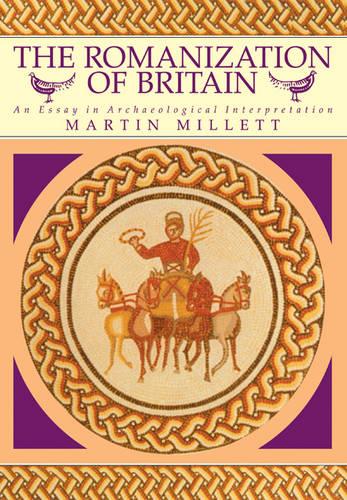
The Romanization of Britain :An Essay in Archaeological Interpretation
paperback
Published:
11 June, 1992
paperback
Published:
11 June, 1992

Standard worldwide delivery by
Thu, July 23 - Tue, July 28
Order within
0

Condition:
USED
$9.08
RRP
$52.27
You save $43.19 (83%)
Available
3
in stock
FREE Returns within 30 days
Popular Books by Martin Millett
View All Books by Martin Millett
Description
The Romanization of Britain is an innovative study of cultural change and interaction. While there are many narrative histories of Roman Britain, this synthesis of the latest archaeological work presents the evidence in a new and provocative way. Dr Millett examines the romanization of Britain as a social process, and from a local perspective, by looking in detail at patterns of interaction between Roman imperialism and the native Roman population. Wide-ranging and extensive data from archaeology, historical sources and inscriptions are interpreted through anthropological and socio-economic models. The focus is, however, always on the excavated material, providing a clear explanation for it without overemphasis on the literary sources. All the distinctive aspects of Romano-British life are covered, including pottery production and trade, civic organization and building, and the military presence and its integration. The experience of Roman Britain is also used for more general conclusions about the nature of romanization throughout the Roman Empire.
More Details
| Type | Book |
|---|---|
| ISBN13 | 9780521428644 |
| ISBN10 | 0521428645 |
| Number Of Pages | 272 |
| Item Weight | 440 g |
| Product Dimensions | 169 x 243 x 15 mm |
| Publisher / Reseller | Cambridge University Press |
| Format | paperback |
See More +
Media Reviews
'… a new way of looking at Romanisation … Millett's analysis provides many new insights as well as dispelling some myths.' The Times Higher Education Supplement