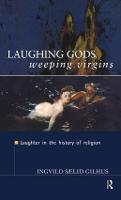
Laughing Gods, Weeping Virgins :Laughter in the History of Religion
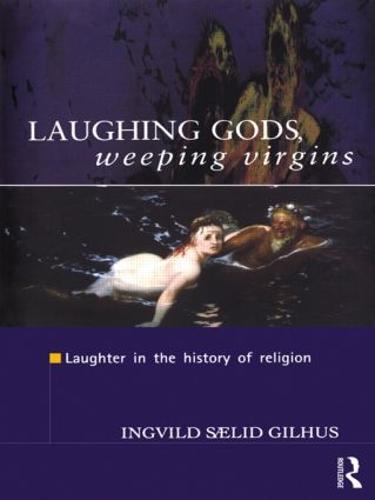
Laughing Gods, Weeping Virgins :Laughter in the History of Religion
paperback
Published:
16 May, 2009
paperback
Published:
16 May, 2009

Standard worldwide delivery by
Mon, July 27 - Wed, August 5
Order within
0
Condition:
NEW
$68.68
RRP
$78.13
You save $9.44 (12%)
Available
5
in stock
FREE Returns within 30 days
Popular Books by Ingvild Saelid Gilhus
View All Books by Ingvild Saelid Gilhus
Description
Laughing Gods, Weeping Virgins analyses how laughter has been used as a symbol in myths, rituals and festivals of Western religions, and has thus been inscribed in religious discourse. The Mesopotamian Anu, the Israelite Jahweh, the Greek Dionysos, the Gnostic Christ and the late modern Jesus were all laughing gods. Through their laughter, gods prove both their superiority and their proximity to humans. In this comprehensive study, Professor Gilhus examines the relationship between corporeal human laughter and spiritual divine laughter from c`ussical antiquity, to the Christian West and the modern era. She combines the study of the history of religion with social-scientific approaches, to provide an original and pertinent exploration of a universal human phenomenon, and its significance for the development of religions.
More Details
| Type | Book |
|---|---|
| ISBN13 | 9780415555050 |
| ISBN10 | 0415555051 |
| Number Of Pages | 184 |
| Item Weight | 340 g |
| Publisher / Reseller | Taylor & Francis Ltd |
| Format | paperback |
See More +
Media Reviews
'Professor Gilhus has provided a pertinent and scholarly investigation into the significance of laughter in religion. - Theology
'Laughing Gods and Weeping Virgins is a delightful and good natured study of the place and meaning of laughter in religion.' - Religion & Theology
'This study of laughter and religion by Ingvild Saelid Gilhus is a model of graceful scholarship written in impeccable English and presented with engaging clarity.' - David Martin, Lancaster University
'This study of laughter and religion by Ingvild Saelid Gilhus is a model of graceful scholarship written in impeccable English and presented with engaging clarity.' - David Martin, Journal of Contemporary Religion, Vol. 13 1998