Discourses and Selected Writings - Penguin Pocket Hardbacks
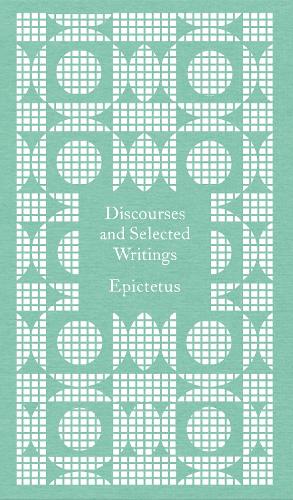
Discourses and Selected Writings - Penguin Pocket Hardbacks
hardback
Published:
4 September, 2025

Popular Books by Epictetus
View All Books by Epictetus


Description
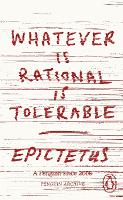
A beautiful special clothbound edition of the Greek Stoic philosopher's great writings
'I must die. But must I die bawling?'
Epictetus, a Greek Stoic and freed slave, ran a thriving philosophy school in Nicopolis in the early second century CE. His animated discussions were celebrated for their rhetorical wizardry and were written down by Arrian, his most famous pupil. The Discourses argue that happiness lies in learning to perceive exactly what is in our power to change and what is not, and in embracing our fate to live in harmony with god and nature. In this personal, practical guide to the ethics of Stoicism and moral self-improvement, Epictetus tackles questions of freedom and imprisonment, illness and fear, family, friendship and love.
This is a Penguin Pocket Hardback edition, designed by the award-winning Coralie Bickford-Smith. Robert Dobbin's modern and lively translation is accompanied by an introduction and notes.
More Details
| Type | Book |
|---|---|
| ISBN13 | 9780241764060 |
| ISBN10 | 0241764068 |
| Number Of Pages | 416 |
| Item Weight | 360 g |
| Product Dimensions | 112 x 175 x 34 mm |
| Publisher / Reseller | Penguin Books Ltd |
| Format | hardback |
Author's Bio
Epictetus (c. 55–135 CE) was a teacher and Stoic philosopher. Originally a slave from Hierapolis in Anatolia (modern Turkey), he moved to Nicopolis on the Adriatic coast of Greece after gaining his freedom and opened a school of philosophy there. His informal lectures (the Discourses) were transcribed and published by his student Arrian, who also composed a digest of Epictetus’ teaching known as the Manual (or Enchiridion). Late in life Epictetus retired from teaching, adopted an orphan child and lived out his remaining years in domestic obscurity. His influence has been deep and enduring, from Marcus Aurelius in his Meditations to the contemporary psychologist Albert Ellis, who has acknowledged his debt to Epictetus in devising the school of Rational-Emotive Behavioural Therapy.