When you buy a used copy YOU SAVE

0.58Kg of CO2

72 litre(s) of Water

0.0043 Tree(s)

1 book donated to global literacy projects
Forensic Science: A Very Short Introduction (Very Short Introductions) - Very Short Introductions
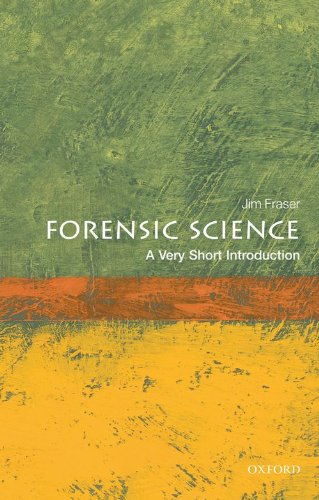
Forensic Science: A Very Short Introduction (Very Short Introductions) - Very Short Introductions
paperback
Published:
25 February, 2010
paperback
Published:
25 February, 2010

Standard worldwide delivery by
Tue, July 14 - Fri, July 17
Order within
0

Condition:
USED
$6.34
RRP
$10.67
You save $4.33 (41%)
Available
1
in stock
FREE Returns within 30 days
Popular Books by Jim Fraser
View All Books by Jim Fraser



Description
Forensic science is a subject of wide fascination. What happens at a crime scene? How does DNA profiling work? How can it help solve crimes that happened 20 years ago? In forensic science, a criminal case can often hinge on a piece of evidence such as a hair, a blood trace, half a footprint, or a tyre mark. High profile cases such as the Stephen Lawrence enquiry and the Madeleine McCann case have attracted enormous media attention and enhanced this interest in recent years. However, the public understanding of forensic science is poor, and largely based on TV shows such as CSI: Crime Scene Investigation, which exploit high-tech imagery for dramatic effect. Forensic science is a complex activity at the interface of science and law. However, it also deals with real life issues and its results are interpreted within unique situations. Complex scientific findings must be considered carefully, dispassionately, and communicated with clarity, simplicity, and precision. In this Very Short Introduction, Jim Fraser introduces the concept of forensic science and explains how it is used in the investigation of crime. He begins at the crime scene itself, explaining the principles and processes of crime scene management. He explores how forensic scientists work; from the reconstruction of events to laboratory examinations. He considers the techniques they use, such as fingerprinting, and goes on to highlight the immense impact DNA profiling has had. Providing examples from forensic science cases in the UK, US, and other countries, he considers the techniques and challenges faced around the world. ABOUT THE SERIES: The Very Short Introductions series from Oxford University Press contains hundreds of titles in almost every subject area. These pocket-sized books are the perfect way to get ahead in a new subject quickly. Our expert authors combine facts, analysis, perspective, new ideas, and enthusiasm to make interesting and challenging topics highly readable.
More Details
| Type | Book |
|---|---|
| ISBN13 | 9780199558056 |
| ISBN10 | 0199558051 |
| Number Of Pages | 144 |
| Item Weight | 117 g |
| Product Dimensions | 110 x 16 x 172 mm |
| Publisher / Reseller | OUP Oxford |
| Format | paperback |
See More +
Media Reviews
This no-nosense guide is an admirable alternative to the CSI science fiction juggernaught. Jim Fraser discusses expert evidence, DNA, fingerprints and confirmation bias, mentioning the Birmingham 6 and Sir Roy Meadow, though not Shirley McKie's shameful persecution on the basis of supposedly infallible fingerprint evidence. Fascinating. * William Darragh, Fortean Times juggernaut...Fascinating. *
Author's Bio
Jim Fraser is Professor of Forensic Science and Director of the University of Strathclyde's Centre for Forensic Science. He was wide experience of both the practice and teaching of forensic science, and was the Head of Forensic Investigation for Kent police and Head of Forensic Biology for the Edinburgh police force.