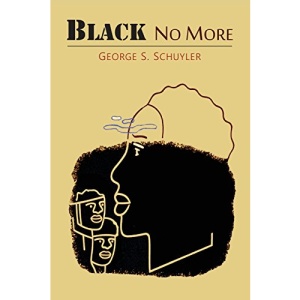
Black No More

Black No More
paperback
Published:
8 February, 2018

Popular Books by George S. Schuyler
View All Books by George S. Schuyler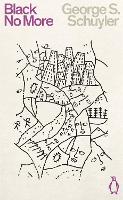




Description
More Details
| Type | Book |
|---|---|
| ISBN13 | 9780143131885 |
| ISBN10 | 0143131885 |
| Number Of Pages | 208 |
| Item Weight | 172 g |
| Product Dimensions | 130 x 197 x 14 mm |
| Publisher / Reseller | Penguin Books Ltd |
| Format | paperback |
Media Reviews
Each page unleashes a fusillade of gags and comic sequences, careening from slapstick to blood bath and back again. . . . To borrow a line from Schuyler, the plot twists get 'more complicated than a flapper's past'-and about as fun. . . . Black No More is unsparing on the madness of racial classification but frank, and very beautiful, on the lure of racial belonging * The New York Times *
Extraordinary . . . A satiric tour de force that rips into myths of white supremacy, black nationalism and the American Dream -- Maureen Corrigan
Author's Bio
George S. Schuyler (1895-1977) was one of the most prominent African American journalists of the early twentieth century. Born in Rhode Island, Schuyler spent his early years in New York, before enlisting in the US army in 1912. He returned to New York after briefly being AWOL to pursue a career in journalism. He wrote for black America's most influential newspaper, the Pittsburgh Courier, in addition to The Nation, The Washington Post and H. L. Mencken's The American Mercury.