HIV/AIDS :Oxidative Stress and Dietary Antioxidants
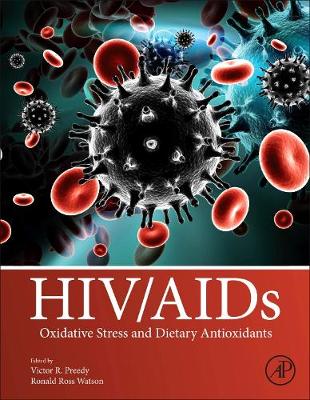
HIV/AIDS :Oxidative Stress and Dietary Antioxidants
hardback
Published:
17 November, 2017

Popular Books by Victor R. Preedy
View All Books by Victor R. Preedy
Description
More Details
| Type | Book |
|---|---|
| ISBN13 | 9780128098530 |
| ISBN10 | 0128098538 |
| Number Of Pages | 282 |
| Item Weight | 1000 g |
| Publisher / Reseller | Elsevier Science Publishing Co Inc |
| Format | hardback |
Author's Bio
Victor R. Preedy BSc, PhD, DSc, FRSB, FRSPH, FRSC, FRCPath graduated with an Honours Degree in Biology and Physiology with Pharmacology. After gaining his University of London PhD, he received his Membership of the Royal College of Pathologists. He was later awarded his second doctorate (DSc), for his contribution to protein metabolism in health and disease. He is Professor of Clinical Biochemistry (Hon) at King’s College Hospital and Emeritus Professor of Nutritional Biochemistry at King’s College London. He has Honorary Professorships at the University of Hull, and the University of Suffolk. Professor Preedy was the Founding Director and then long-term Director of the Genomics Centre at King’s College London from 2006 to 2020. Professor Preedy has been awarded fellowships of the Royal Society of Biology, the Royal College of Pathologists, the Royal Society for the Promotion of Health, the Royal Institute of Public Health, the Royal Society for Public Health, the Royal Society of Chemistry and the Royal Society of Medicine. He carried out research when attached to the National Heart Hospital (part of Imperial College London), The School of Pharmacy (now part of University College London) and the MRC Centre at Northwick Park Hospital. He has collaborated with international research groups in Finland, Japan, Australia, USA, and Germany. To his credit, Professor Preedy has published over 750 articles, which includes peer-reviewed manuscripts based on original research, abstracts and symposium presentations, reviews and edited books. Ronald Ross Watson, PhD, is Professor of Health Promotion Sciences at the University of Arizona, Mel and Enid Zuckerman College of Public Health. Dr. Watson began his research in public health at the Harvard School of Public Health as a Fellow in 1971 doing field work on vaccines in Saudi Arabia. He has done clinical studies in Colombia, Iran, Egypt, Saudi Arabia and the United States which provides a broad international view of public health. He has served in the military reserve hospital for 17 years with extensive training in medical responses to disasters as the chief biochemistry officer of a general hospital, retiring as a Lt. Colonel. He is a distinguished member of several national and international nutrition, immunology, and cancer societies. Dr. Watson’s career has involved studying many lifestyle aspects for their uses in health promotion. He has edited over 100 biomedical reference books and 450 papers and chapters. His teaching and research focuses on alcohol, tobacco, and drugs of abuse in heart function and disease in mouse models.