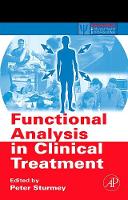
Functional Analysis in Clinical Treatment - Practical Resources for the Mental Health Professional
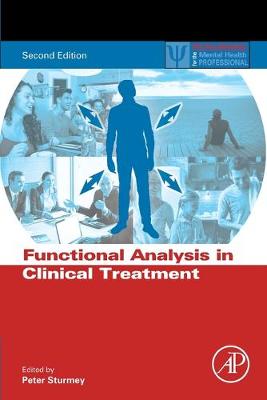
Functional Analysis in Clinical Treatment - Practical Resources for the Mental Health Professional
paperback
Published:
21 March, 2020

Popular Books by Peter Sturmey
View All Books by Peter Sturmey

Description
More Details
| Type | Book |
|---|---|
| ISBN13 | 9780128054697 |
| ISBN10 | 0128054697 |
| Number Of Pages | 586 |
| Item Weight | 930 g |
| Publisher / Reseller | Elsevier Science Publishing Co Inc |
| Format | paperback |
| Edition | 2nd edition |
GoodReads Reviews
Author's Bio
I have worked with children and adults with developmental disabilities for over 30 years as a volunteer; camp counselor; researcher; clinical psychologist in the British National Health Service; Chief Psychologist in developmental centers in Texas; consultant for many community services; and consultant to the states of Louisiana and Wyoming. I have been involved in professional training in Britain, Louisiana State University and now Queens College. It has always struck me that children and adults with developmental disabilities would have a better life, be happier, more autonomous and valued by other people if their staff and family members got a little help to do few simple things –interact positively and often, use contingent reinforcement accurately, teach a few simple skills and be more sensitive to preferences. I also believe that if these happened consistently, staff and family members would feel more competent.