Psychiatric Controversies in Epilepsy
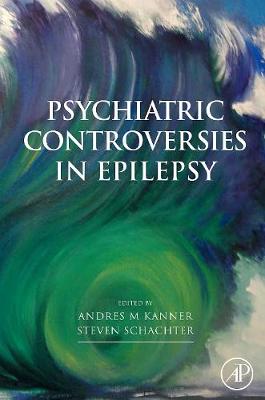
Psychiatric Controversies in Epilepsy
hardback
Published:
14 August, 2008
hardback
Published:
14 August, 2008

Standard worldwide delivery by
Tue, July 28 - Fri, July 31
Order within
0
Condition:
NEW
$82.26
RRP
$100.35
You save $18.09 (18%)
Available
20
in stock
FREE Returns within 30 days
Description
Psychiatric Controversies in Epilepsy addresses controversial clinical issues of the psychiatric aspects of epilepsy. The book explores the reasons behind the poor communication between psychiatrists and neurologists and suggests potential remedies to this important problem, and two chapters are devoted to examining whether psychiatrists and neurologists are properly trained to recognize and treat conditions that both disciplines commonly encounter in clinical practice. Identification of the causes behind the high rate of comorbidity between epilepsy and mood, anxiety, psychotic and attention deficit disorders is given high priority in the volume, and a specific review of the evidence of common pathogenic mechanisms that may be operant in epilepsy and these psychiatric disorders is included. Recently identified bidirectional relationship between mood disorders and epilepsy and its implication in the course and response to treatment of the seizure disorder are also explored. Several chapters are devoted to rectify common misunderstandings of the use of psychotropic drugs in patients with epilepsy, including the use of antidepressant and central nervous system stimulants. Finally, one chapter explores the possibility of organic causes of psychogenic non-epileptic seizures.
More Details
| Type | Book |
|---|---|
| ISBN13 | 9780123740069 |
| ISBN10 | 0123740061 |
| Number Of Pages | 344 |
| Item Weight | 580 g |
| Publisher / Reseller | Elsevier Science Publishing Co Inc |
| Format | hardback |
See More +
Media Reviews
"...this book would be a valuable addition to the libraries of all physicians treating patients with epilepsy. It neatly summarizes the available research on many difficult neuropsychiatric topics and prods the reader to consider whether the improved patient care that results from answering controversial questions is a more vital issue than simpel inter-professional collaboration." --Psychosomatics, April 2010