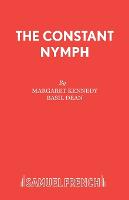
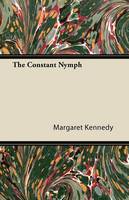
The Constant Nymph
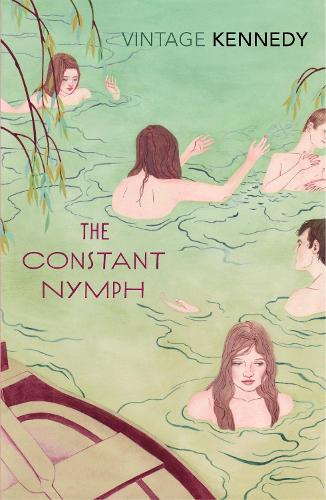
The Constant Nymph
paperback
Published:
7 August, 2014

Popular Books by Margaret Kennedy
View All Books by Margaret Kennedy
Description
Avant-garde composer Albert Sanger lives in a ramshackle chalet in the Swiss Alps, surrounded by his 'Circus' of assorted children, admirers and a slatternly mistress. The family and their home life may be chaotic, but visitors fall into an enchantment, and the claims of respectable life or upbringing fall away.
When Sanger dies, his Circus must break up and each find a more conventional way of life. But fourteen-year-old Teresa is already deeply in love: for her, the outside world holds nothing but tragedy.
More Details
| Type | Book |
|---|---|
| ISBN13 | 9780099589747 |
| ISBN10 | 0099589745 |
| Number Of Pages | 384 |
| Item Weight | 274 g |
| Product Dimensions | 130 x 197 x 25 mm |
| Publisher / Reseller | Vintage Publishing |
| Format | paperback |
Media Reviews
Splendid * Spectator *
It's a novel about ideas...as well as the sort of delicious and merciless emotions that can make people exuberant or desperate * The Atlantic *
She is not only a romantic but an anarchist, and she knows the ways of men and women very well indeed -- Anita Brookner
Margaret Kennedy caught just the taste of the time, mixing a stolid domestic Englishness with 'Continental' bohemians * Irish Times *
Miss Kennedy . . . finds herself well to the front among novelists, men or women, of today. Its theme is the clash between two incompatible worlds, and its solution is reached through tragedy * New York Times (1924) *
GoodReads Reviews
Author's Bio
Margaret Kennedy was born in London in 1896 and read History at Somerville College, Oxford in 1915 (alongside Winifred Holtby and Vera Brittain) where she began writing. In 1924, Kennedy’s second novel The Constant Nymph became a worldwide bestseller which she adapted into a hit West End play starring Noel Coward (three different star-studded film versions followed). Described as ‘superb’ by Elizabeth Bowen, Kennedy wrote fifteen further prize-winning novels including The Feast in 1950, as well as literary criticism and a biography of Jane Austen. She died in 1967.