Biography
Despite publishing only 4 novels in her lifetime, Charlotte Bronte remains one of the most important figures in 19th century literature. Challenging social norms and subverting traditional gender roles, her novels were groundbreaking and inspired generations of female writers through the centuries. Born in Yorkshire in 1816, Charlotte was the third of six children born to clergyman Patrick and Maria Bronte. When her mother died when she was just five years old, her aunt Elizabeth moved in to help raise the children.
In 1824, Patrick sent Charlotte and three of her sisters (Maria, Elizabeth and Emily) to the newly opened Clergy Daughters’ School in Lancashire. The sisters hated the school, and when both Maria and Elizabeth contracted tuberculosis and died in 1825, Emily and Charlotte returned home.
Along with her siblings, Charlotte created an imaginary kingdom called Glass Town, about which they all contributed stories and poems. This episodic saga, which spanned several years, helped to hone their writing skills and prepared them in their future literary endeavours.
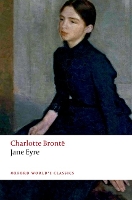
In 1846, the Bronte sisters self-published a collection of poems written under pseudonyms; although only moderately successful, a publisher expressed an interest in anything written by Currer Bell (Charlotte’s nom de plume). The following year, she sent him Jane Eyre, the story of a plain governess who overcomes a difficult start in life. Drawing on many of her own experiences, especially at the Clergy Daughters’ School, Jane Eyre was an immediate success, and enjoyed the reputation of being an improper book when it was revealed to have been written by a woman.
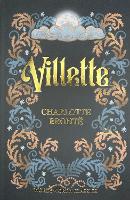
Her second novel, Shirley, was published in 1849 and explored the role of women in society; in Villette, the last novel to be published in her lifetime, the main character Lucy struggles with isolation, repression and desire. Published in 1853, it was a critical success.
In 1855, due to complications with her pregnancy, Charlotte died along with her unborn child. The Professor was published posthumously in 1857, and the unfinished novel Emma was published in 1860.
Addressing issues of gender equality, class divisions and societal expectations, Charlotte Bronte was an author ahead of her time. Giving voice to women and their struggles, her novels have had a lasting impact on literature.