Popular Books by Patrick Wyse Jackson
View All Books by Patrick Wyse Jackson
Introducing Palaeontology: A Guide to Ancient Life
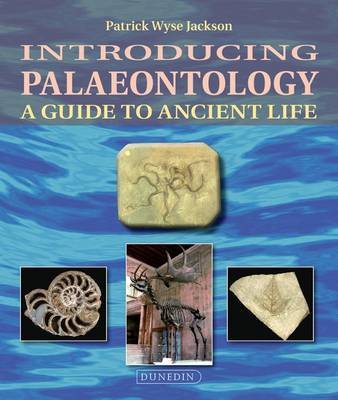
Introducing Palaeontology: A Guide to Ancient Life
paperback
Published:
23 September, 2010
Description
More Details
| Type | Book |
|---|---|
| ISBN13 | 9781906716158 |
| ISBN10 | 1906716153 |
| Number Of Pages | 160 |
| Item Weight | 321 g |
| Product Dimensions | 162 x 12 x 192 mm |
| Publisher / Reseller | Dunedin Academic Press |
| Format | paperback |
Media Reviews
'Introducing Palaeontology is an excellent book, full of attractive diagrams and photographs, coupled with short, waffle-free sections. The combination of short, snappy chapters and interesting scientific concepts create a book that is perfect for anyone new to the science of palaeontology,whether they be an enthusiastic amateur, a prospective student or an undergraduate just starting out in the field.' Geological Magazine 'There has been a gap in the market for a long time, for a book that provides a simple introduction to fossils, this title fills that gap admirably! In 150 pages it takes the reader on a whistle stop tour through many aspects of palaeontology. The book rounds off with an excellent glossary. What can I say? This book is perfect for its purpose!' Down to Earth 'And thank goodness this isn't another Guide to Identifying Fossils in the FieldA , which is a genre that is about as much use as a chocolate fireguard, when it comes to identifying any fossil below the level of kingdom or phyla (I exaggerate)! In fact, this makes no such claim - instead, being a short (152 pages), colourfully and beautifully illustrated (in part by John Murray) introduction to the science of palaeontology and, as such, fills a useful and previously empty niche in the market for both amateurs and first/second year students at university. Like Introducing Geology, the book is written in clear, understandable English, but never underestimates the reader's geological abilities or intelligence.' Deposits Magazine 'I would recommend this as one of the best introductory texts on the subject around at present and no doubt its fine illustrations will soon begin to punctuate many introductory courses in our science.' European Geologist
GoodReads Reviews
Author's Bio
Patrick Wyse Jackson is a Senior Lecturer in Geology and Curator of the Geological Museum at Trinity College, Dublin.