Science, Virtue, and the Future of Humanity
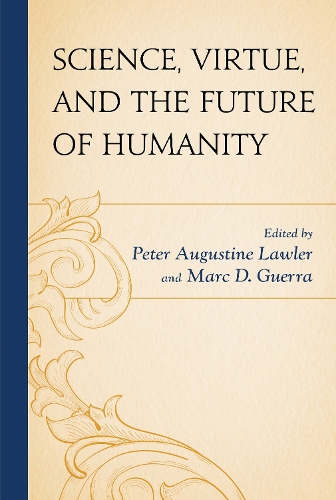
Science, Virtue, and the Future of Humanity
paperback
Published:
14 November, 2016

Popular Books by Peter Augustine Lawler
View All Books by Peter Augustine Lawler




Description
More Details
| Type | Book |
|---|---|
| ISBN13 | 9781498525220 |
| ISBN10 | 1498525229 |
| Number Of Pages | 228 |
| Item Weight | 336 g |
| Product Dimensions | 151 x 229 x 15 mm |
| Publisher / Reseller | Bloomsbury Publishing Plc |
| Format | paperback |
Media Reviews
This is a book about the future—the future of liberty, love, and learning in a scientific age. Ranging from the techno-utopian to the techno-wary, the authors explore the possible shape of the world to come. Can we expect an unbounded, creative future? Or is it true, as Abraham Lincoln said, that ‘This is a world of compensations,’ a world where both human and cosmic nature (not to mention divine justice) set limits and establish relations that have a logic all their own? If even robots need morality, as the AI theorists are beginning to realize, then we really are ‘stuck with virtue.’ This insightful and eloquent collection helps us think more deeply about permanence in the midst of change. -- Diana J. Schaub, Loyola University Maryland
Author's Bio
Peter Augustine Lawler is Dana Professor of Government at Berry College.
Marc D. Guerra is associate professor and chair of theology at Assumption College.